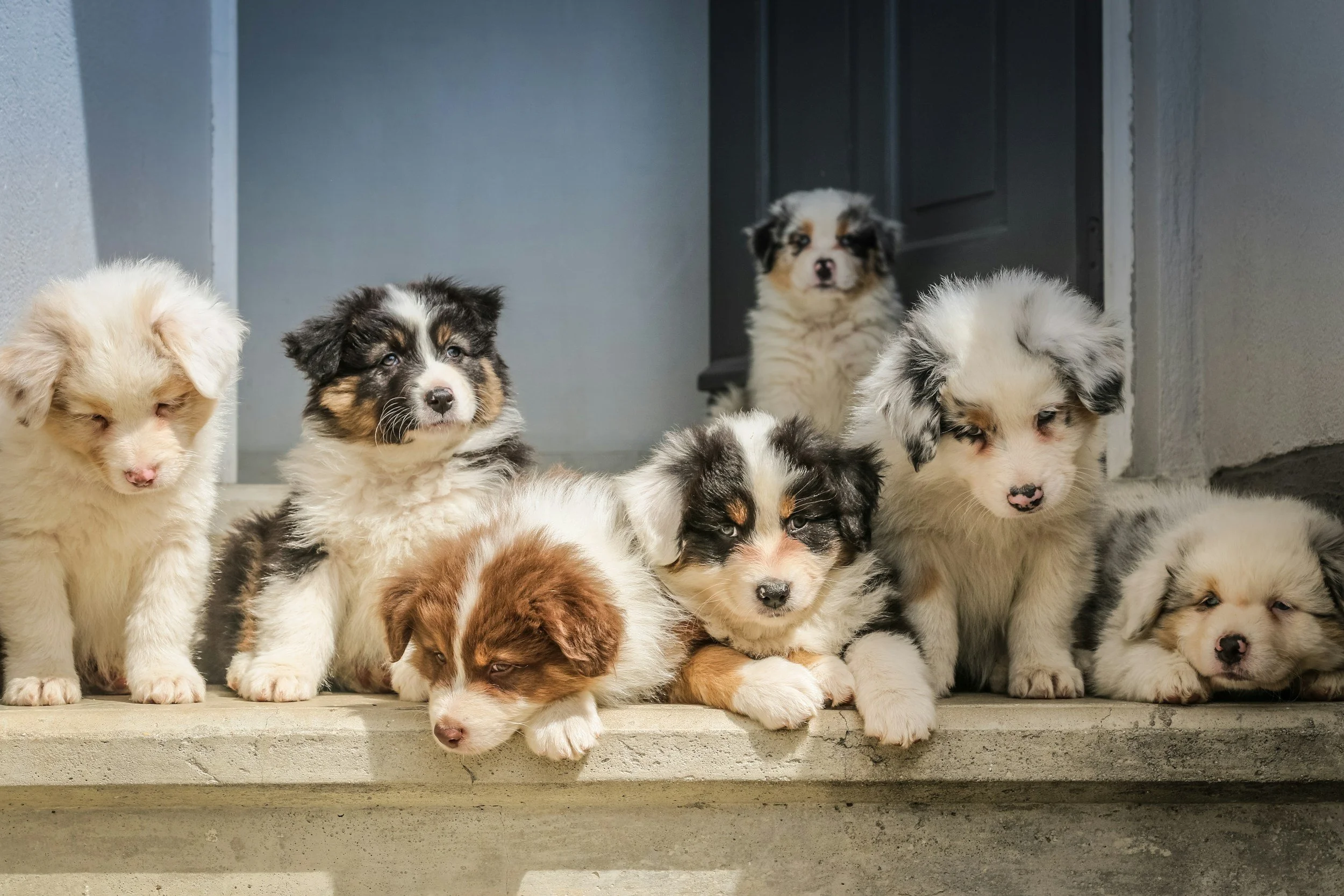
Tips to Beat Pet Boredom
My Bored Dog helps you keep your dog happy, busy, and out of trouble. Explore enrichment toy reviews, buying guides, and practical boredom-busting tips for dogs of all ages.
Your Cat Wants the Outdoors: 3 Indoor Ideas Cats Love
TL;DR: Indoor cats still crave outdoor textures, smells, and sights. Try the viral concrete slab for scratching and scent-marking, grow a small indoor cat garden for sniffing and nibbling, and set up a window perch for live "Cat TV" — three low-cost ways to bring the outdoors in, no garden required.
If your cat spends all day inside, you know the pattern: a long nap, a midnight burst of energy, a stare out of the window, then back to the same sofa and the same toys. Indoor life keeps cats safe, but it removes much of what their senses were built for — rough ground, grass to chew, new smells, and moving things to watch.
A recent run of cat enrichment ideas has struck a chord precisely because none of them requires a garden, a catio, or an expensive gadget. They all bring a small, safe piece of the outside world indoors, and let your cat explore it on their own terms.
Here are three ideas that fit together beautifully — and you can try the first one this weekend.
1. The viral concrete slab: a rough, cool, scent-holding "new territory"
What is happening
Across CatTok in recent weeks, cat owners have been bringing home a plain concrete paver, setting it on the floor, and filming what happens next. Cats sniff it, rub their cheeks along it, scratch it, roll on it, and sprawl across it. One early video, from an owner whose orange tabby loved rolling on concrete outside, has been viewed millions of times.
It looks like a joke, but the reactions are consistently enthusiastic, and behaviour experts have offered plausible explanations for why.
Why cats seem to love it
First, it is new. Cats are territorial, and a new object in their territory is worth investigating. A slab is also porous, so it holds scent well: when a cat rubs its cheek glands against it, it leaves its own scent behind, effectively claiming the slab. That scent-marking is normal, comforting behaviour.
Second, the texture is satisfying. Concrete is rough enough to scratch against, and many cats in the videos drag their claws across it or rub their backs along an edge.
Third, there is temperature. Concrete holds heat in the sun and stays cool in an air-conditioned room. Cats, whose body temperature runs higher than ours, often seek out warm or cool surfaces — so a slab in a sunny spot can become a warm lounging platform, and the same slab in a cool room a refreshing place to sprawl.
Put together, the slab is not really about concrete at all. It is about novelty, texture, scent, and temperature.
How to try it safely
- Choose a plain, unsealed paver with no sharp edges, chips, or crumbling corners. Run your hand over it first; if it snags your skin, it will snag your cat's paws.
- Brush or rinse off loose dust and grit before bringing it inside, and let it dry fully.
- Place it somewhere your cat already likes to hang out, ideally in a sunny spot, and somewhere nobody will trip over it. The "toe stubber" jokes in the comments exist for a reason.
- Let your cat discover it. Do not place your cat on it or lure them onto it with food the first time — curiosity works better than pressure.
- Supervise the first few sessions. Most cats will sniff, rub, and scratch and then move on. If your cat starts persistently licking the slab or trying to chew off pieces, take it away and mention it to your vet, as persistent licking or eating of non-food items is worth checking out.
- If your cat ignores it completely, that is useful information too. Not every cat cares about every texture, and a slab that gets ignored for a week is not a failure — it just means your cat's outdoor fix lies elsewhere, like the next two ideas.
A concrete slab will not replace scratching posts, play, or attention. Think of it as one more texture in your cat's world — a cheap experiment.
2. An indoor cat garden: grass to chew, silvervine to sniff
If the slab gives your cat something to scratch and claim, a small indoor garden gives them something to sniff, chew, and roll in. The idea is a shallow tray — not a full flower bed — planted with a few cat-friendly species your cat can graze on safely.
What to plant
- Cat grass, usually oat, wheat, or barley grass grown from seed. Cats are drawn to chew it, and it gives them a safe green to nibble instead of your houseplants.
- Catnip, the classic. Some cats roll, rub, and play after sniffing it; others barely react. That variation is normal — response to catnip has a genetic component, so a cat that ignores it is not broken.
- Silvervine, a plant whose active compounds are related to catnip's but which appears to work for a larger share of cats, including many that do not respond to catnip. Silvervine sticks and powder are widely available, and a small amount goes a long way.
You do not need all three to start. A tray of cat grass alone is a perfectly good first garden.
How to set it up
Use a shallow, sturdy tray or low pot with drainage, and plant in plain, pesticide-free soil or growing mix. Keep it somewhere with decent light — a windowsill your cat can reach is ideal — and water sparingly, letting the top of the soil dry between waterings so it does not get soggy.
Expect your cat to demolish it. That is the point. Start a second tray while the first recovers, so there is always something green coming back.
A few cautions
Grow only plants you know are cat-safe. Lilies, in particular, are extremely dangerous to cats, so do not bring lilies into a home with cats, and do not plant anything you have not checked first. If you buy seedlings, check they have not been treated with pesticides. If your cat vomits after grazing more than occasionally, or seems unwell, take the garden away and check with your vet.
3. A window perch for "Cat TV": the view that never repeats
The third idea costs nothing at all if you already have a window — but it works much better with a proper perch. Cats will watch the world for hours if they have a comfortable, stable place to do it from, and a window perch turns a passing glance into a daily habit.
Why real views beat screen videos
Videos of birds and fish can entertain some cats, but a real window offers changing light, moving air, distant sounds, and smells drifting in through a screened window. Birds land and leave; leaves move. That unpredictability is exactly what holds a cat's attention.
How to set it up well
- Choose a perch that is sturdy and rated for your cat's weight, and install it exactly as the maker instructs. A perch that wobbles or slips will teach your cat to avoid it, and a falling perch can frighten a cat badly.
- Put it at a window with the best view you have — ideally one facing a tree, a garden, or a bird feeder, rather than a blank wall. If you can place a bird feeder within view, do that first; it transforms the perch from a seat into a show.
- If you open the window, keep it screened and secure, and never leave a cat unsupervised at an unscreened or wide-open window.
- Rotate the view every few weeks if you can. A perch at a different window, or a feeder moved to a new spot, makes an old view new again. Even moving a chair or a plant near the window changes what your cat sees and smells.
- Add a blanket or cushion if your cat likes to settle in for long watches.
The perch is also a useful observation point: a cat that suddenly stops using a favourite window spot may be telling you something about stress or a change in the household.
Putting the three together: a small indoor "outdoors"
None of these ideas is meant to stand alone, and none of them replaces interactive play. A five-to-ten-minute play session with a wand toy, followed by a small meal or treat, still mirrors the hunt-eat-groom-sleep rhythm cats follow naturally, and it remains the single most reliable boredom-buster for indoor cats.
What the slab, the garden, and the perch do is fill the long hours between play sessions with texture, scent, and scenery. Try this sequence over a week: introduce the slab in a sunny spot, start a cat-grass tray on a windowsill, then set up or refresh the window perch with a feeder in view. Then notice which of the three your cat returns to, and double down on that one — quietly retiring anything ignored.
That last step matters most. Cats are individuals, and enrichment works best when you follow your cat's preferences rather than a trend. The slab went viral because many cats loved it, not because every cat will. Your cat's answer is the only review that counts.
Safety notes
- Supervise any new item until you know how your cat uses it, and remove anything that starts to break apart, shed pieces, or get chewed into fragments.
- Keep the home free of plants and products known to be dangerous to cats, including lilies and many essential oils and scented plug-ins. When in doubt, check with your vet before introducing a new plant or scent.
- Persistent licking or eating of non-food items, repeated vomiting, sudden changes in appetite, litter-box habits, or activity levels are all reasons to talk to your vet rather than trying another enrichment idea.
- Never leave a cat unsupervised with a new object that has strings, small detachable parts, or anything they could swallow.
FAQ
Is a concrete slab actually safe for cats?
For most cats, a plain, unsealed paver with smooth edges is a low-risk item to try, provided you clean off loose dust, check for sharp edges, and supervise the first sessions. Remove it if your cat chews pieces off it or licks it persistently, and keep it where nobody will trip over it.
My cat ignored the slab completely. Does that mean it does not work?
No — it means that particular texture does not appeal to that particular cat. Some cats love rough surfaces; others prefer grass, heights, or a window view. Try the garden or the perch next, and let your cat's preferences guide you.
What is the difference between catnip and silvervine?
Both contain compounds that can trigger playful, rolling, rubbing behaviour in cats, but silvervine appears to affect a larger share of cats, including many that do not respond to catnip. If catnip does nothing for your cat, silvervine is worth trying in a small amount first.
How do I keep a cat garden alive if my cat eats it all?
Grow two trays and rotate them: one out for grazing while the other regrows. Cat grass grows quickly from seed, so a second tray started a week after the first keeps the supply going without much effort.
Is a window perch enough enrichment on its own?
It helps a lot, but it is not a complete enrichment plan. Pair it with daily interactive play, something to scratch and scent-mark, and something to sniff or chew, and rotate the view or the feeder location every few weeks to keep it fresh.
3 Enrichment Trends Dogs Are Loving Right Now
TL;DR: Three enrichment trends are dominating dog-owner feeds right now: fresh puzzle feeders like the KONG Gyro and Roolo, zero-cost DIY sniff games built from laundry baskets and cones, and lick-and-chew calm-downs like refillable lick toys and holiday long chews. Each one targets a different kind of boredom — and you can try all three this week.
Why These Three Trends, Why Now
Every few weeks, the enrichment world has a moment where several genuinely new ideas surface at once. October 2026 is one of those moments. A major enrichment roundup dropped a crop of new puzzle feeders, two DIY sniff games went viral in the same week, and the holiday chew season kicked off with a launch timed for Thanksgiving cooking chaos.
What ties them together is that they solve different boredom problems. Puzzle feeders work the problem-solving brain. DIY sniff games work the nose. Lick-and-chew outlets work the need to settle. A dog who only gets one kind of enrichment is like a person who only does cardio — the other muscles atrophy. Here's the best of each trend, and how to try it.
Trend 1: New Puzzle Feeders That Aren't the Usual Suspects
The puzzle-feeder category has been dominated by the same few names for years, so it's news when genuinely new formats break through. Two are getting the most attention this month.
KONG Gyro: a ball trapped in a ring
The Gyro is a treat-dispensing ball held inside a red outer ring. Your dog pushes and paws it around, and treats drop out as the ball rolls. It's a step up in difficulty from a plain rolling dispenser because the ring changes how the ball moves — the dog has to figure out the angle, not just shove it.
Start with high-value treats that fall out easily so your dog learns the game pays off, then switch to smaller kibble for a longer session. It's a good fit for dogs who've already mastered a basic treat ball and need the next rung up.
Roolo by Play9: the new all-rounder
Roolo is a modular treat-dispensing toy from a newer brand, and it just topped a tested 2026 enrichment roundup with a perfect score as best overall boredom-buster. A smaller Roolo Mini joined the lineup after fresh testing this autumn.
The appeal is versatility: it's a dispenser, a chewer, and a puzzle in one unit, and the modular design means you can change the difficulty as your dog gets smarter. If you're buying one new feeder this season rather than three, this is the one reviewers are pointing to.
Try it this week: Pick one feeder, not both. Run it at the same time each day — say, right before you sit down to work — so it becomes your dog's "job" while you're busy.
Trend 2: Zero-Cost DIY Sniff Games Going Viral
The best trend of the month costs nothing. Two DIY extraction games blew up on social media in the same week, and both use things already in your house.
The laundry-basket towel-pull
Fold treats into small towels, then thread the towels through the holes of a laundry basket so the ends stick out. Your dog has to pull each towel free to get the treat inside. It looks simple, and it is — but the pull-through mechanic is genuinely puzzling for dogs used to unrolling or nosing things open, and the basket adds just enough resistance to slow them down.
A viral reel from October 19 framed it perfectly: "your puppy isn't misbehaving — your puppy is bored." The game is part of a weekly zero-cost household-item series, and it's the kind of thing you can set up in two minutes while dinner cooks.
Set it up: Start with the towels loosely threaded and the treats easy to smell. As your dog gets the idea, thread them tighter and hide the treats deeper in the folds.
The cone-and-rope extraction game
Take a rope ring toy and trap it inside a holed training cone — the kind used for agility or sports drills. The dog has to work the ring free by nudging, biting, and tipping the cone. An October 23 reel of a Maltipoo solving it by bulldozing the whole cone over is doing the rounds with small-dog owners, and the "let them improvise" angle is exactly the point: there's no single right solution, so the dog has to experiment.
This one suits dogs who like to use their mouths and paws together, and it's a great rainy-day game because it takes up almost no floor space.
Safety note: Use a lightweight plastic cone, not a heavy rubber one, and supervise the first few sessions. If your dog starts chewing the cone itself rather than working the ring out, swap to a sturdier cone or retire the game.
Trend 3: Lick-and-Chew Calm-Downs for the Busy Season
As the holidays approach, the trend shifts from tiring dogs out to settling them down — especially when guests arrive and the kitchen gets chaotic. Two calm-down outlets are leading the conversation.
BARK Licksters: the refillable lick toy
Licksters are lick toys loaded with a refillable treat puck — peanut butter flavor is the standard. Owners report roughly an hour of licking from one puck, versus minutes for a toy that gets destroyed. An October 23 reel from a large golden retriever account, complete with a Target refill run and an ASMR licking segment, pushed it into the spotlight.
Licking is naturally calming for most dogs — it's repetitive, rhythmic, and self-soothing. That makes a refillable lick toy a better evening wind-down than yet another puzzle: it's the difference between a crossword and a warm bath.
Try it this week: Offer the Lickster in the evening, after the last walk, when you want your dog to settle. Keep a spare puck in the freezer so the next one is ready.
Beggin' holiday long chews: the Thanksgiving distraction
Launched October 22 with vet guidance against table scraps, Beggin's holiday line — including a candy-cane-shaped long-lasting chew — is pitched squarely at the "keep the dog out of the kitchen while you cook" problem. Thanksgiving is the peak guest-and-food chaos night of the year for many dogs, and a long chew that lasts through dinner prep is a practical management tool, not just a treat.
The rule that matters: A long chew is a supervised activity, not a babysitter. Stay in the room, and take the chew away when it gets small enough to swallow.
How to Combine All Three in One Week
You don't need to buy everything or build every game. Here's a simple rotation that hits all three boredom types:
- Monday/Wednesday/Friday: Puzzle feeder at breakfast (problem-solving brain).
- Tuesday/Thursday: A DIY sniff game in the afternoon (nose work).
- Evenings: Lick toy or long chew after the last walk (settle-down).
That rotation covers the three kinds of mental work most dogs need, costs almost nothing beyond one feeder purchase, and takes about ten minutes of your day to set up.
Safety Checklist for New Enrichment
- Supervise every new toy or game the first few times. You need to see how your dog plays with it before trusting it unsupervised.
- Size everything to your dog. A treat or toy that's fine for a 60-pound dog can be a choking hazard for a 15-pound one, and vice versa.
- Check holiday treats for xylitol (birch sugar). It's extremely toxic to dogs and hides in some sugar-free products. Read the ingredient list, every time.
- Remove toys that are coming apart. Loose squeakers, torn seams, and small fragments are the real hazard — retire the toy, don't repair it.
- Budget treats against meals. Puzzle feeders and lick toys add calories. Trim the dinner bowl slightly on heavy enrichment days, especially for small dogs.
Frequently Asked Questions
My dog destroys puzzle feeders in minutes. Are these any different? The Gyro's ring and the Roolo's modular design both add difficulty layers that plain dispensers don't have, but no feeder is indestructible. If your dog is a power chewer, use feeders only under supervision and remove them once the food is gone — they're puzzle tools, not chew toys.
Are the DIY games really as good as bought toys? For sniff work, yes — often better. Dogs care about the puzzle, not the packaging. The towel-pull and cone extraction games work because they make the dog think, and they cost nothing to replace when they wear out.
How long should a lick session last? There's no strict limit, but 20–30 minutes is a good evening wind-down for most dogs. If your dog is still going at an hour, that's fine too — licking is low-intensity. Just watch for a sore tongue or frustration if the puck runs dry.
Can I use these trends for a puppy? Yes, with easier settings. Start puzzle feeders with the easiest configuration and high-value treats, thread the towels loosely, and keep lick sessions short. Puppies learn the games fast — the trick is keeping the difficulty low enough that they win early and often.
What if my dog ignores the new feeder or game? Don't force it. Smear a little peanut butter on the opening, use smellier treats, or demo it yourself by rolling it once. Some dogs need to see the payoff before they engage — and if a particular game never clicks, drop it. Enrichment only works when the dog enjoys it.
Dog Advent Calendars: How to Choose One for Your Dog
TL;DR: Dog advent calendars are the breakout pet gift of 2026 — search interest is up roughly 25x in three months, and unboxing videos are everywhere right now. But a good one is more than a cute photo: it's 24 days of built-in enrichment. Pick a treat, toy, or mixed calendar that suits your dog's size and chew style, budget the daily treats against their food, and run the daily "door opening" as a tiny training ritual. Read the safety notes below before you buy.
The 2026 Countdown Boom
Every holiday season has one pet trend that goes from novelty to "sold out everywhere" in weeks. This year it's the dog advent calendar. According to the Rising Trends October 2026 pet report, searches for "advent calendar for dogs" hit roughly 6,600 a month — up about 25 times over the previous three months. That's not a steady niche; that's a breakout.
The momentum is visible on social media too. Instagram unboxing series — where creators open all 24 doors on camera with their dogs "helping" — started appearing in mid-September and are still going strong through October. A Costco restock of a dog advent calendar made the rounds on Facebook with shoppers reporting empty shelves. The message is clear: if you want one this year, you shop in October or early November, not on December 1.
This article isn't just a shopping guide, though. MyBoredDog exists to beat boredom, and a dog advent calendar — used right — is genuinely good enrichment: 24 consecutive days of novelty, anticipation, and a daily training moment. Here's how to pick one worth your money and make it count.
Why an Advent Calendar Is Actually Good Enrichment
It's easy to dismiss a dog advent calendar as Instagram bait. But enrichment is novelty, problem-solving, and a structured job to do — and a well-chosen countdown delivers all three:
- Novelty on a schedule. Dogs habituate to toys fast. A new item every day for 24 days is a novelty engine you don't have to think about.
- A daily training moment. The door opening is a perfect excuse for one sit, stay, or trick. Twenty-four low-pressure reps across December will polish any cue.
- A routine your dog anticipates. Dogs thrive on predictable rituals. Anticipation is itself enrichment — it's the same reason your dog knows the walk routine.
The 4 Kinds of Dog Advent Calendars
1. Treat countdown calendars
The classic: 24 (or sometimes 25) little doors, each hiding one or two treats or chews. The simplest and the most popular format. Look for real dog treats with an ingredient list you can read — not vague "meat derivatives." Some brands offer 12-door chew calendars with longer-lasting items like yak chews or rawhide-free rolls, which suit dogs who demolish a tiny biscuit in three seconds flat.
Best for: food-motivated dogs of any size, owners who want zero setup.
Watch for: calorie load (see the calorie math below), treat size relative to your dog, and whether the treats are something your dog actually likes. A calendar of low-value biscuits won't thrill a dog who trains for cheese.
2. Toy + treat mixed calendars
These alternate doors between small plush toys, crinkle toys, and treats. They're the format dominating the unboxing videos right now — the toy reveals get the biggest reactions, and the unpredictability keeps interest high across the full 24 days.
Best for: dogs who love toys as much as food, and households where the daily reveal is half the fun.
Watch for: small plush parts and loose squeakers for power chewers — treat each toy reveal like any new toy and supervise (more on safety below).
3. Premium / luxury calendars
Bigger boxes, sturdier construction, and higher-quality contents — often a mix of premium treats and a few genuinely good toys. Retailers in the US and UK both run a "luxury" tier each year.
Best for: gift-givers and dogs who've had advent calendars before and burned through the cheap ones.
Watch for: marketing inflation. "Luxury" is unregulated; compare the actual contents and ingredient lists, not the adjectives on the box.
4. DIY refillable calendars
The sleeper pick — and the one most aligned with beating boredom. Refillable calendars are sturdy boxes with 24 drawers or doors you fill yourself, then reuse every year. You control every item: favorite treats, a portion of their daily kibble, tiny toys, even folded-up notes for the training ritual. You also control the calorie budget, which is the biggest practical problem with store-bought calendars.
Don't have one? You can improvise the same thing with numbered paper bags, small envelopes, or socks hung on a string. The dog doesn't care about the packaging — they care about the ritual. A DIY countdown from household items is the cheapest option and the easiest to tailor to a puppy, a senior, or a dog on a special diet.
Best for: multi-dog households, dogs with food sensitivities, and anyone who likes a craft project.
How to Choose: A Quick Buyer's Checklist
Run any store-bought calendar through these checks before it goes in the cart:
- Dog-safe, full-stop. Buy a calendar made for dogs, not a human chocolate calendar your dog "shares." (See the safety section.)
- Ingredient transparency. The treat list should be readable and specific. If a calendar lists no ingredients at all, skip it.
- Sized for your dog. A single large biscuit is a lot for a 10-pound dog and a joke for an 80-pound one. Toy doors shouldn't be choking or swallowing hazards for your breed.
- Variety over volume. Twenty-four identical biscuits is a calorie commitment with no enrichment payoff. Mixed contents hold interest across the month.
- Buy early. The popular calendars sold out by late November last year, and this year's demand is running well ahead of that. Mid-October to mid-November is the window.
The Calorie Math (Do This Before December 1)
Twenty-four days of extra treats is a real dietary commitment. A medium dog biscuit runs roughly 30–50 calories; a large chewy treat can hit 100+. Over a month, unaccounted calendar treats can add up to the equivalent of several full days of food.
The fix is simple: budget each door against your dog's daily food allowance. Take a small portion of kibble out of the morning meal and reserve it for the calendar door. For bought calendars with fixed treats, trim the dinner bowl slightly on calendar days. For small dogs — where one treat is a much bigger percentage of daily calories — the DIY refillable calendar is genuinely the smartest option, because you control every gram.
And skip a day if your dog has had an extra-treat day already. The calendar police will not come.
Safety Section: Read Before You Buy
- Never give a dog a human chocolate advent calendar. Chocolate contains theobromine, which dogs can't metabolize well — and dark chocolate is worse than milk. "A little square won't hurt" accidents spike every December. Keep your own calendar out of snout reach.
- Check for xylitol (birch sugar). Extremely toxic to dogs and found in some sugar-free human treats. Any calendar of unclear origin should be treated as suspect.
- Supervise toy doors. Power chewers can extract and swallow a squeaker in minutes. Watch the first play session with any new toy, remove loose parts, and retire anything coming apart.
- Watch the cardboard. Some dogs eat the calendar once the treats are gone. If yours is a shredder, open each door yourself and hand over the contents.
- No grapes, raisins, or macadamia nuts. These appear in some "gourmet" pet treats. Check the ingredient list if anything looks unfamiliar.
- Allergies still apply in December. If your dog is on a limited-ingredient diet, a mystery-treat calendar is a gamble. Go DIY with treats you already trust.
How to Run the Ritual (Make the Enrichment Count)
A calendar opened while your dog watches from the couch is a snack dispenser. A calendar opened as a ritual is enrichment. Here's the version that makes the difference:
- Ask for something before the door opens. Sit, down, a paw shake, a spin — anything your dog knows. The door opening becomes the reward. Vary the cue across the month.
- Let the dog "find" the day. Once they know the game, let them sniff out which door you're opening, or hide the day's treat somewhere in the room for a 30-second nose-work hunt before handing it over.
- One door per day — really. Dogs can't count, but owners can be tempted to open three "because he's cute." The daily limit is what builds anticipation.
- Rotate the toys in. Don't let all 24 toy doors pile up in the toy basket. Introduce each new toy for a day, then rotate it out of sight and bring it back later. Rotation keeps novelty alive far past December.
- Pair it with the season. December is dark and cold; walks get shorter and dogs get bored. The calendar ritual is at its most valuable on the bleak midwinter days when the walk was twenty minutes of drizzle.
The $0 Version: A DIY Countdown Tonight
If the store-bought wave has passed you by — or you'd rather spend nothing — a DIY countdown takes ten minutes:
- Number 24 paper bags, envelopes, or even folded paper cups. Socks on a string work too.
- Fill most with a small portion of your dog's regular kibble (budgeted from their meals, per the calorie math above). A few get a high-value treat. One or two get a folded slip with a trick to practice.
- Hang or line them up where the dog can see but not reach, then run the ritual: cue, door, find.
Total cost: zero. Enrichment value: identical to the fancy box, because the enrichment was never the packaging.
FAQ
Can my dog really have a treat every day for 24 days? Yes, if you budget for it. Subtract the door's calories from that day's meals, and the calendar is just a festive delivery system for food your dog would have eaten anyway.
What if my dog inhales each door in five seconds? Then it's a fun ritual, not a slow-feeding challenge — and that's fine. To stretch it out, hide the day's treat in the room for a mini nose-work search, or choose a 12-day chew calendar with longer-lasting items.
Are there advent calendars for cats? Yes — cat calendars with toy mice, crinkle balls, feather toys, and treats are part of the same 2026 countdown wave. The enrichment logic is identical: daily novelty beats a toy basket that never changes.
When do dog advent calendars sell out? Typically by late November for the popular ones, and this year's search demand is running roughly 25x ahead of the summer. If you want a specific brand or a luxury tier, buy in October or early November. DIY, of course, never sells out.
My dog has food allergies. Is there a calendar option? The DIY refillable calendar is made for exactly this. Fill it with treats your dog already tolerates — including limited-ingredient options — and you get the full ritual with zero ingredient risk. It's also the best option for weight-management plans, since you control every portion.
No products are sponsored and no prices are quoted — stock and pricing move too fast in the holiday season. Check ingredient lists and sizing for your own dog, and when in doubt, the DIY countdown costs nothing and can't go wrong.
How to Keep Your Dog Calm on Halloween Night
TL;DR: Halloween is a doorbell marathon that stresses many dogs out. Set up a quiet room away from the front door, tire your dog out with a sniffy walk before dark, rotate calming enrichment games through the evening, and manage the doorbell itself. Here's the full plan.
Why Halloween Is One of the Hardest Nights of the Year for Dogs
Think about Halloween night from your dog's perspective. Every few minutes, the doorbell rings. Each ring brings a stranger to the door — sometimes in a mask, sometimes carrying something loud or flashy. The house smells like sugar. Decorations blink and wobble. And you, their person, keep opening the door and letting the strangers in and out.
For most dogs, Halloween isn't fun. It's a trigger stack — a pile of small stresses that keep adding up until a normally easygoing dog is wound tight. Even dogs who are fine with the doorbell on a normal day can unravel when it rings twenty times in an hour. Some trainers put it bluntly: Halloween is not a training night. It's a management night. Your goal isn't to teach your dog anything — it's to keep their stress low enough that the evening passes without incident.
Boredom plays a part too. Dogs who get their normal evening walk and play session settle far more easily than dogs who are amped up when the chaos starts. The plan below combines both: physical tiredness before the rush, mental work during it, and smart management of the triggers themselves.
The Halloween Evening Plan: An Hour-by-Hour Timeline
Afternoon: Tire the dog out before the sun goes down
Take your longest walk of the day before dark — a sniff walk, not a speed march. Let your dog stop and sniff as much as they want; sniffing is one of the most mentally tiring things a dog can do, and many owners find a slow sniffy walk settles a dog better than a fast one. Add 10–15 minutes of play or a training session if your dog has energy to spare.
Also: feed dinner a little early, in a puzzle feeder or scatter-fed on a snuffle mat, and get the last potty break in before dusk. You do not want to be opening the back door for a quick pee during peak trick-or-treat traffic.
Before dusk: Set up the quiet room
Pick a room as far from the front door as possible — an upstairs bedroom or a back room with a door that closes. Set it up like a little dog spa:
A comfy bed or crate (door open) with familiar blankets
White noise, classical music, or a fan — something steady that blurs the doorbell and the voices outside. Avoid the TV unless you've watched it with your dog before; a sudden dog bark or doorbell in a commercial can make things worse
Water bowl
A few long-lasting chews and interactive toys, staged so you can rotate them — every hour or so, swap in something new. Novelty beats quantity
Peak hours: Enrichment rotation in the quiet room
Once trick-or-treaters start, your dog stays in the quiet room. Visit between doorbell rounds to swap in a fresh game from the list below. If your dog stops taking food or treats, that's useful information — it usually means the stress stack is too high, and the answer is more distance and quiet, not more stimulation.
After the rush: A calm wind-down
When the doorbell stops, keep the house quiet for a while. A short, calm leash walk helps some dogs decompress — keep it sniffy and low-key. Stress hormones don't reset the moment the last trick-or-treater leaves; it can take a dog's body a day or so to fully settle after a stressful evening. More on the morning after below.
5 Halloween-Night Enrichment Games
These all take about five minutes to set up, use things you probably already have, and are designed for the quiet room — they're calm, food-based games that keep a dog's brain occupied instead of scanning for the next doorbell.
1. The Frozen Apple Pop
This one has been all over dog-owner feeds this month, and for good reason — it's cheap, it lasts a long time, and most dogs go nuts for it.
Take a regular eating apple and cut the top off, then carefully scoop out the inside with a spoon, leaving a hollow shell about half an inch thick. Remove all seeds and the core — apple seeds aren't a great thing for dogs to crunch on in quantity. Fill the shell with a smear of xylitol-free peanut butter and a few small treats, add a splash of water, and freeze it solid (about 4 hours).
Hand it over in the quiet room when the doorbell action starts. Licking a frozen puzzle is naturally settling for most dogs, and this one can buy you a good 20–30 minutes.
2. The Blueberry Splashdown
Another recent creator favorite: fill an ice cube tray with blueberries, float the tray in a shallow tub or baking dish of water, and set it on a towel in the quiet room. Your dog has to lean in, bob, and fish the berries out of the floating tray — it's foraging, problem-solving, and a splash of novelty all at once.
Supervise with water games, as always — enthusiastic dogs can tip the whole thing over, which is why the towel matters.
3. Floating Bottle-Cap Treats
If you don't have an ice cube tray free, this variation needs even less gear. Fill a shallow baking sheet or tray with an inch of water, float clean plastic bottle caps on the surface, and put a small treat on each cap. The caps wobble and drift, so the dog has to be deliberate about picking each one up.
Simple, but the instability makes it genuinely puzzling for many dogs. Watch for the gulp-and-think-later types — you may need to slow them down by doing one cap at a time.
4. The Quiet-Room Treasure Hunt
While your dog is in another room (or watching from the hallway), hide a dozen or so small treats around the quiet room — under the corner of a blanket, behind a chair leg, inside a folded towel, on a low shelf. Release the dog and let them search.
This is nose work in its simplest form, and it's a great fit for a stressed dog because it channels their attention onto their nose — the sense that calms them. Make the first few hides easy so the dog gets wins early, then raise the difficulty.
5. The Tablet Fish Game
This one is niche but delightfully modern: prop a tablet on the floor showing a fish-tank or "catch the fish" video, and let your dog nose and paw at the screen. Some owners pair it with a treat dispenser so "catches" earn real treats — dogs do learn the connection.
Not every dog cares about screens, and that's fine — try it for two minutes and move on if it's not a hit. It's best as a bonus round, not the main event.
Manage the Doorbell, Not Just the Dog
Here's the move that changes everything: reduce the number of rings. Every trainer I found talking about Halloween this year lands in the same place — the doorbell is the biggest trigger, so the single most effective step is to take it out of the evening.
Sit outside with the candy bowl. Set up a chair on the porch or at the end of the walkway and greet trick-or-treaters there. No doorbell, no dog-dashing visitors, and your dog hears muffled voices instead of rings.
Leave a candy bowl on the porch with a note if you can't sit out. A "please take one!" sign keeps foot traffic calm and the doorbell silent.
Put a note on the door asking visitors to knock softly or text instead of ringing. Many parents are happy to comply when they know a dog is inside.
Turn the porch light off if you want to opt out of trick-or-treaters entirely. That's a perfectly acceptable choice, and many dog owners swear by it.
If your dog does stay near the action, keep a baby gate or a closed door between them and the entrance every single time the door opens. And keep a pocket of tiny, high-value treats: reward your dog every time they stay settled through a round of visitors. Reward calm, not just quiet.
Don't Forget the Cats
Cats are often the ones who slip out the door when it's opening every two minutes. If you have a cat, Halloween is a closed-door evening for them too: set up a quiet room with the litter box, water, and a few treats or a puzzle toy, and keep the door shut until the traffic dies down.
Make sure your cat's ID tag or microchip details are current before the evening starts — the holiday is one of the busiest nights of the year for lost-pet reports. A couple of treats or a food puzzle in the room makes it feel less like a punishment and more like a holiday in itself.
Halloween Night Safety Checklist
Run through this before the trick-or-treaters arrive:
Candy bowl up high or behind a closed door. Chocolate is toxic to dogs, and sugar-free candy and gum containing xylitol are even more dangerous — small amounts can be life-threatening. Don't wait for symptoms; call your vet or animal poison control immediately if your dog eats any.
Wrappers, lollipop sticks, and small decorations picked up from dog-height surfaces. Even empty wrappers can cause choking or a stomach blockage.
Glow sticks and candles out of reach. Glow-stick liquid is bitter and upsetting (though rarely serious), and open flames plus an excited dog are a bad combination.
Costumes: if your dog wears one, it should allow normal movement, vision, and breathing, with no small chewable parts. If your dog freezes, tucks their tail, or tries to rub it off — take it off. The photo isn't worth a miserable dog.
ID tags on, microchip details current — just in case of a door-dash.
Vet's phone number and the nearest emergency clinic saved in your phone.
The Morning After: November 1st
If your dog is a little jumpy or off on November 1st, the night before may be part of the reason. Plan a quiet day — a calm sniff walk instead of the park, familiar routines, nothing new. And watch the ground on that walk: sidewalks and lawns are full of dropped candy and wrappers the morning after. For a nose-driven dog, that's a buffet. Keep the leash short through those stretches and have your "leave it" ready.
Frequently Asked Questions
Should I just skip Halloween and board my dog?
If your dog is genuinely phobic — panic, shaking, trying to escape — then yes, honestly, a calm environment away from the chaos can be the kindest option. Boarding, a pet sitter, or a friend's quiet house beats white-knuckling it. For most dogs, though, a good management plan at home works fine.
Will all this enrichment make my dog more hyper?
The opposite, usually. Mental work tires dogs out in a way that settles them — think of it like a long crossword puzzle rather than a shot of espresso. Food-based games and sniffing are particularly calming. Physical play is great earlier in the day; keep the evening games brainy and low-energy.
My dog doesn't care about puzzle toys. What then?
Start with something dead simple — the frozen apple pop or a smear of peanut butter on a plate. Some dogs need to learn that food puzzles are fun, and a frustrated dog on Halloween night isn't going to learn anything. When in doubt, a long-lasting chew in a quiet room is the simplest enrichment there is.
Is it okay to let my social, confident dog greet trick-or-treaters?
If your dog genuinely enjoys strangers and stays relaxed through the noise, there's no rule against it. Keep them behind a gate or on leash, watch for overstimulation (panting, jumping, hyper-focus on the door), and retire them to the quiet room at the first sign that the fun is turning into stress. Even confident dogs have a limit.
Can I do this for a puppy?
Yes, with adjustments. Puppies are extra sensitive to novelty, so introduce the quiet room a few days early so it feels familiar. Keep games short and easy — a puppy who can't figure out the bottle-cap game in a minute will just eat the tray. And remember that socialization windows are about good experiences: a terrifying Halloween isn't educational, it's just scary.
3 Brain-Boosting Training Games That Tire Out Bored Dogs
TL;DR: Bored dogs don't just need more exercise — they need work that engages their brains. These three training-based games do exactly that: a down-stay search progression that pairs impulse control with nose work, a week of themed "side quests" that turn stale obedience reps into novelty, and 15-minute mini herding drills that channel herding-breed instincts indoors. No special gear required.
Most bored-dog advice splits into two camps: physical exercise (walks, fetch, daycare) or passive enrichment (stuff a KONG, scatter some kibble). But there's a third lane that's quietly blowing up in trainer circles right now — training games that are enrichment in disguise.
The idea is simple. Fifteen minutes of focused mental work can tire a dog out the way an hour of mindless fetch never will, because it asks the dog to think, decide, and control impulses instead of just sprinting. And unlike a physical workout, mental games don't require a backyard, good weather, or an uninjured knee (yours or the dog's).
Here are three training-as-enrichment formats currently making the rounds with trainers and high-energy-dog owners — each one free, indoor-friendly, and adjustable to your dog's skill level.
Game 1: The Down-Stay Search Progression
This one combines two things dogs love — using their nose and getting paid for self-control — into a single ladder you can climb over days or weeks.
How it works:
- Ask your dog for a down-stay. Place a treat on the floor a few feet away where they can see it.
- Pause. Then release them with your search cue ("find it," "go get it," whatever you use).
- Gradually increase the challenge: more distance, then place the treat just out of sight (behind a chair leg, around a corner), then move to other rooms and hide it under furniture.
Why it works as enrichment: A plain treat-hunt is just find-and-eat — fun, but over fast. The down-stay layer adds impulse control, which is genuine cognitive work: the dog has to hold a decision ("stay") while their brain is screaming "treat." Trainers demoing this progression specifically flag it as an apartment-friendly rainy-day game, because each round takes about a minute and the difficulty scales infinitely.
How to run it:
- Level 1 (day one): Visible treat, 3–4 feet away, 2-second wait before release.
- Level 2: Visible treat, 10+ feet away, 5–10 second wait.
- Level 3: Treat hidden just out of sight in the same room. Let the dog break the stay a little to learn the search pattern — you can re-ask the stay each round.
- Level 4: Multi-room hunts with treats hidden under furniture or behind doors.
Make it yours: Use part of dinner (a handful of kibble) instead of extra treats to avoid overfeeding. If your dog breaks the stay constantly, don't scold — you just climbed too fast. Drop back a level and rebuild. The impulse-control layer should feel like a puzzle, not a pop quiz they keep failing.
Game 2: Weekly Themed "Side Quests"
Here's the problem this one solves: most of us teach sit, down, and stay, drill them for a week, and then… never touch training again. The reps get boring for the human, the dog stops improving, and both sides quit. The "side quest" format — a term trainers are using for one-day themed mini-games — reframes training as novelty instead of homework.
How it works: Pick one theme per day (or per training session) and run everything through it. Examples currently circulating:
- Object Shapeshifter: Teach your dog to interact with a new object in a new way — touch it with a nose, then a paw, then push it across the floor. Each criterion change is a fresh puzzle.
- Red Light, Green Light: The dog moves only on "green light" and freezes on "red light." It's an impulse-control game that doubles as a recall and stay workout — and it's genuinely fun to play in a hallway.
- Reverse Relay: You cue a behavior, the dog does it, then you have to do something the dog cues (a play bow, a bark, a spin) — it gets owners moving and keeps the session playful.
- Pattern Breaker: Run a behavior chain your dog knows cold (sit → down → shake), then randomly break the pattern mid-chain and reward the dog for rolling with it. Great for dogs who get stuck in "autopilot" mode.
Why it works as enrichment: Novelty is its own reward for dogs. A dog that has heard "sit" ten thousand times gets zero mental workout from one more sit — but "sit, except today's rule is you only sit on the blue mat, and the mat moves between reps" is a whole new problem to solve. The themed format also solves the human side of boredom: you're more likely to train three times a week when each session feels like a different game.
How to run it: You don't need a formal plan. Write seven themes on sticky notes, stick them on the fridge, and pull one each time you have ten spare minutes. Keep sessions short (5–10 minutes) and always end on a win.
Game 3: Indoor Mini Herding Drills
This one's specifically for herding-breed owners — border collies, Aussies, heelers, shelties — who are raising dogs genetically wired to control movement, then asking them to lie quietly in apartments all winter. One trainer's demo this month framed 15 minutes of structured indoor herding play as a straight replacement for long fetch sessions on bad-weather days.
How it works: Use a ball (a large exercise ball or a medium rubber ball, depending on your dog's size and your space) and teach the dog to push and steer it with directional cues — the classic herding directions are "away" (move clockwise around the object) and "come by" (counterclockwise), but you can use any words you like.
Start simple: roll the ball a few feet and reward any interaction. Then shape nudges with the nose or shoulder. Then add a direction cue before the ball moves, so the dog learns to drive it left or right on command.
Why it works as enrichment: Herding is a full-body thinking job — the dog reads movement, predicts direction, and adjusts in real time. A hallway version of that gives an instinct-driven dog a legitimate outlet for the exact urge that's currently being expressed as circling the coffee table, nipping houseguests' heels, or obsessively chasing the Roomba. Fetch, by contrast, is mostly sprint-and-grab; it burns calories without touching the herding instinct at all.
Make it yours: This is a high-arousal game by design, so build in a clear start and stop. Use a mat or a "that'll do" cue to signal the drill is over, and give the dog a chew or a sniff break afterward to decompress. If your dog gets frantic rather than focused, shorten the session and slow the ball down — you want thinking, not frenzy.
Safety Notes
- Train in short sessions. Five to fifteen minutes of mental work is plenty; a mentally exhausted dog that keeps being drilled gets frustrated, not enriched. Watch for stress signals (lip licking, yawning, turning away, sniffing the ground excessively) and quit while you're ahead.
- Reward generously and fairly. Training games only stay fun if the dog is winning often. Use small, soft treats they can eat fast so the game keeps moving.
- Skip the pressure. These are games, not obedience trials. If a round isn't working, make it easier — never correct, scold, or repeat a failed cue louder. A bored dog needs more wins, not more rules.
- Clear the play area. Indoor herding drills and red-light/green-light both involve a moving dog and a moving ball — move the coffee table, secure loose rugs, and keep the game away from stairs.
FAQ
My dog already knows basic obedience. Are these still useful? Yes — arguably more useful. A dog that has heard "sit" ten thousand times gets nothing from another sit. All three games add a decision layer on top of known behaviors, which is exactly what turns a stale rep into mental exercise.
How often should I do training games for enrichment? A few short sessions a week is a solid baseline. One themed side quest every couple of days, plus a down-stay search round on rainy days, covers most dogs. Consistency matters more than duration.
Can puppies do these games? The down-stay search progression and simple side quests are great for puppies — keep waits very short and difficulty low. Hold off on structured herding drills until your pup has basic impulse control (usually around 6+ months), since the movement can over-arouse young dogs.
Will training games actually tire out a high-energy dog? They won't replace physical exercise entirely, but most owners are surprised how much calmer a high-drive dog is after 15 minutes of real thinking work. The sweet spot for many dogs is mental games plus a moderate walk — the walk burns the body, the games burn the brain.
What if my dog isn't food motivated? Use whatever currency your dog values — a tug toy, a tennis ball, 30 seconds of chase, or enthusiastic praise. The down-stay search progression works with a hidden toy just as well as a hidden treat.
Short on time? Start with the down-stay search tonight — it's one cue your dog already knows, one treat, and about two minutes. Tomorrow, pull a side-quest theme off the fridge. Your dog's brain will thank you.
3 DIY Rainy-Day Dog Games You've Never Tried
TL;DR: Rainy days don't have to mean a bored dog. A sliding chew zip-line turns a string and a chew into a self-moving puzzle, a couple of helium balloons become a floating chase game for high-energy dogs, and a cereal box stuffed with treats channels destructive chewing into an approved demolition project. All three are free, take minutes to set up, and burn mental energy when walks aren't an option.
If you're reading this while rain hammers the window and your dog sighs dramatically at your feet, you already know the problem: skipped walks turn a good dog into a restless one. The classics — frozen Kongs, snuffle mats, puzzle feeders — are classics for a reason, but if your dog has cycled through them all, you need new material. These three games are circulating among trainers and creators right now precisely because they're different from the usual list, and each one builds from things you almost certainly own.
Game 1: The Sliding Chew Zip-Line
What it is
Stretch a string across a room — between two door handles, chair backs, or anything sturdy — thread a chew or toy onto it, and let your dog chase, nudge, and lick it as it slides back and forth. It's enrichment that moves on its own, with no batteries and no app.
The game showed up in creator demos this month precisely because it solves a real problem: it's a moving target your dog has to work to catch, and the work is what tires them out. A chew that sits still is a chew your dog finishes in four minutes. A chew that keeps sliding away is a puzzle.
How to build it
You need three things: string or cord, a way to anchor it, and something to thread onto it.
Run the string. Tie a long piece of string or light cord between two anchor points in one room — two door handles about 6–10 feet apart work well. Keep it taut.
Thread the prize. Before you tie the second end, thread on a cylindrical chew or toy: a stuffed Kong works, a marrow bone works, even a tennis ball with a hole poked through it works. The key is that it slides — so a round or tube-shaped item beats something lumpy.
Set the height. Aim for about your dog's nose height when standing, maybe a touch higher. You want them batting and nudging it, not choking down on a taut string. (See the safety notes below — height and supervision are the two rules that make this game work.)
How to play
Don't just set it up and walk away. The first session, hold a treat or dab of peanut butter on the chew so your dog discovers it, then gently slide it yourself so they get the idea that it moves. Most dogs take over within a minute — pawing it, nosing it, chasing it down the line. Lick-based rewards (peanut butter, a frozen smear of wet food) make the game last longer because licking is repetitive and calming. A plain chew becomes a chase toy.
Rotate the reward to keep it fresh: freeze the chew with something smeared on it one day, stuff it the next, or hang a second sliding toy as a "bonus prize." Ten to fifteen minutes of zip-line play is a serious chunk of mental work — owners report dogs settling down afterward the way they do after a decent walk.
Game 2: The Helium Balloon Chase
What it is
Tie two or three helium balloons to strings and let your dog bat, chase, and jump at them indoors. The balloons drift unpredictably — a breeze from a doorway, a nudge from a paw, and they float somewhere new — so the "prey" never behaves the way your dog expects. For high-energy dogs who need to move, this is one of the simplest indoor games there is.
This one blew up among high-drive-dog owners this month as a rainy-day energy burner: no equipment beyond party balloons, no setup time, and a movement pattern no toy on the market quite replicates.
How to set it up
Use 2–3 balloons. Helium, not air — they need to float. Tie each to a string about 2–3 feet long.
Hold the strings or tie them low. You can hold a string and bob the balloon around like the world's laziest flirt pole, or tie strings to a chair leg so balloons hover at dog height and drift on their own. Try both and see which your dog prefers — many dogs are more engaged by the free-drifting version because the movement is genuinely unpredictable.
Start in one room. Clear fragile things off shelves first. A jumping dog plus a drifting balloon plus a bookshelf of knickknacks is a bad combination.
How to play
Let your dog figure out the game. Most dogs will bat at the balloon with their paws, chase it when it drifts, and jump for it when it floats high. Keep sessions short — five to ten minutes is plenty. This is an arousal game, and the goal is to burn off the fizzy energy first, then follow it with something calmer (a chew, a sniff game) so your dog lands instead of spiraling up.
The big safety rule: balloons are a supervision-only game. Popped latex is an ingestion hazard, and string plus an unsupervised dog is never a good combination. When playtime ends, balloons go away — up high, out of reach, or popped and thrown out.
Game 3: Shred-Forage Boxes
What it is
Stuff treats into empty cereal boxes, egg cartons, and packing paper, and let your dog rip them open. It channels the urge to shred — the same urge that eats your mail and dismembers the couch cushions — into an approved demolition project.
"Let them destroy the right things" is having a moment as advice for owners of destructive dogs, and this is the most practical version of it. Chewing and ripping are natural dog behaviors; the goal isn't to suppress them, it's to give them a legal outlet.
How to build a shred box
Gather clean cardboard. Cereal boxes (remove the inner bag), egg cartons, paper bags, toilet-paper tubes, packing paper. Avoid boxes with staples, heavy tape, or glossy coatings when you can.
Load the treats. Scatter kibble or small treats inside, fold or crumple the box shut, and nest boxes inside boxes for dogs who catch on fast — a treat inside a tube inside a box inside a bag is a legitimate multi-stage puzzle.
Hand it over. Present it, and let the shredding begin.
Why it works
Shredding uses the whole dog: nose to find the box's weak point, paws to hold it, mouth to rip. For dogs who destroy things out of boredom, one approved box a day often noticeably reduces the unapproved destruction — you're meeting the need instead of fighting it. And unlike many enrichment toys, this one is free and infinitely restockable, which matters if your dog is a daily shredder.
Safety notes for all three games
These games are simple, but "simple" still deserves a few rules:
Supervise everything. Every game here involves string, cardboard, or latex, and none of them are meant for a dog alone in a room. These are together games.
Strings and necks don't mix. For the zip-line, keep the line taut, at a sensible height, and take it down when the session ends. Never loop a string around anything, and if your dog starts grabbing the string itself instead of the toy, end the game — string-chewers graduate to a different activity.
Balloons are single-session. As noted above: when play ends, balloons leave the dog's world entirely. Ingested balloon fragments can cause real trouble; popped pieces go straight in the bin.
Cardboard is for shredding, not eating. Most dogs spit cardboard out as they rip, which is the whole point. If your dog is a dedicated cardboard eater rather than a shredder, supervise closely and switch to a different game if they won't stop swallowing pieces. Small amounts of plain cardboard generally pass through, but a dog that eats large quantities is a vet-visit waiting to happen.
Know your dog's style. The balloon game is best for dogs who play with their paws and chase without escalating. If your dog tends to go over-threshold — barking, nipping, unable to stop — stick with the zip-line and shred boxes, which build in natural pauses.
FAQ
How long should a rainy-day indoor play session be? Ten to twenty minutes of active play per session is a good target for most dogs, and two or three sessions across a rainy day roughly replaces the mental work of a normal walk. Watch your dog, not the clock: lying down voluntarily, sighing, or disengaging are all "I'm done" signals.
My dog destroys the shred box in 30 seconds. Now what? Congratulations — you have a demolition expert. Make it harder: nest containers inside each other, fold flaps tightly shut, freeze a box stuffed with wet food so they have to lick and shred, or switch to the zip-line, which can't be "solved" in one rip.
Is the balloon game safe for puppies? Puppies love it, but they need the closest supervision of all — puppies explore with their mouths, and balloon fragments are exactly the kind of thing a puppy would swallow. Keep sessions to a few minutes, use larger balloons (harder to get a whole piece in the mouth), and end the game the instant teeth meet latex instead of just paws.
Can I use the zip-line for a big, strong dog? Yes, with sturdier anchors. Door handles are fine for most dogs, but a large dog throwing their weight into the game can yank a light anchor loose. Tie off to heavy furniture or closed-door handles, keep the line high enough that they bat at the toy rather than body-slamming the string, and end the session if they start pulling the line itself.
What if my dog is scared of the balloons? That's useful information, not a failure. Some dogs find floating objects genuinely unsettling. Don't force it — put the balloons away and try the shred box or zip-line instead. You can also desensitize slowly another day: one balloon, far away, treats for calm behavior, no pressure to interact.
Stuck inside doesn't have to mean stir-crazy. Pick the game that fits your dog's style — the thinker gets the zip-line, the athlete gets the balloons, the destroyer gets the box — and rainy day becomes just another kind of play day.
Two Under-the-Radar Enrichment Ideas for Bored Dogs
TL;DR: The toy-switch game teaches your dog that dropping one toy kicks off an even better game with a second toy — building real impulse control in about ten minutes, no equipment beyond two toys. Treat-tossing pet cameras add the other half of the day: a camera that lets you watch, talk to, and fling a treat to your dog remotely, so long days alone get a little less boring.
Most "bored dog" lists recycle the same five ideas: frozen Kongs, snuffle mats, sniff games. Those are classics for a reason, but if your dog has seen them all, here are two ideas that haven't made every list yet — one for the hours you're home, one for the hours you're not.
Idea 1: The Toy-Switch Game (a free impulse-control game)
What it is
The toy-switch game is beautifully simple: you play with your dog using two toys instead of one, and you teach a cue — "switch" — that tells your dog dropping the first toy instantly starts a game with the second. The lesson the dog learns is that letting go never ends the fun; it doubles it.
Trainers like this game for two specific problems. First, the dog who grabs a toy and won't give it back — toy-switch turns "drop it" from a losing deal into the best part of the game. Second, the dog who doesn't quite get fetch — some dogs chase the first throw, grab the toy, and then... nothing. They stand there. A second animated toy is a much stronger reason to drop the first one than a human standing around saying "come."
How to play
You need two identical toys to start — matching toys matters, because you don't want your dog favoring one and refusing to release the other. Two identical tug toys or rope toys work well; two identical squeaky toys are fine for dogs who aren't big tuggers.
Start a game with toy number 1. Tug, chase, whatever your dog loves. Let them get fully engaged.
Kill the first toy. Stop moving toy 1 completely — hold it still against your body or pin it under your foot. A dead, motionless toy is boring to a dog.
Animate toy number 2. Bring it out from behind your back and wiggle it, drag it on the ground, make it the most exciting thing in the room. Don't wave it in their face — let them choose to switch their attention to it.
Mark the moment. The instant your dog releases toy 1 and grabs toy 2, say "switch!" (or whatever cue you pick) and immediately reward them with a lively game using toy 2.
Repeat. Pop toy 2 behind your back, re-animate toy 1, and run the sequence again.
Most dogs start to get the pattern within a session or two. The moment it clicks, you'll see them start bringing the first toy back and dropping it in anticipation of the second one being thrown — and at that point, you often don't need the second toy anymore. You can just pick up the one they dropped and throw it again, which is basically how you build a real fetch.
Why it works as enrichment
A ten-minute toy-switch session taxes your dog's brain in a way a casual fetch session doesn't. Every switch is a decision: let go of what I have, trust that something better is coming. That's impulse control practice disguised as play, and impulse control is the muscle behind every other good behavior — waiting at doors, not mugging guests, not grabbing food off counters.
It also works both directions on arousal. For the dog who's too hyped to think, the "make the first toy dead" step is a forced reset. For the dog who quits games early, the second toy keeps the energy alive longer than any single toy would.
Progressions once your dog gets it
Different toys. Once the game is solid with identical toys, switch to two different ones. Now your dog has to override a real preference — dropping the beloved squeaky toy for a boring rope because "switch" means good things happen.
Add duration. Ask for a one-second pause between the drop and the reward, then two seconds. You're building a genuine "drop it" that holds under excitement.
Use it in the real world. The same mechanics work on walks: a second ball in your pocket makes "drop it" for the first ball a much easier ask.
Idea 2: Treat-Tossing Pet Cameras (enrichment for when you're gone)
What they are
A pet camera with a treat dispenser is exactly what it sounds like: a Wi-Fi camera you set up in the room where your dog spends the day, with a built-in treat launcher you control from your phone. The well-known models (Petcube Bites is the classic example; newer options from brands like TKENPRO and SKYMEE add features like auto-tracking and bark alerts) all share the same core kit: live video, two-way audio so you can talk to your dog, and a remote treat toss.
How to actually use one well
Buying the camera is the easy part; using it in a way your dog enjoys takes a little setup.
Introduce it like training equipment, not furniture. Turn it on while you're home first. Let your dog hear the treat-launch sound and eat the treats it throws. Some dogs find the whirring and the sudden flying treat startling — a few calm sessions with you on the couch turn it from "scary robot" into "magic treat machine."
Use the treats that actually fit. These dispensers are sized for small, hard treats — most take something in the 6–15mm range. Measure before you fill; jamming oversized biscuits in the hopper is the most common reason they "stop working."
Schedule midday breaks, not constant interaction. A scheduled treat toss or two during the middle of the day breaks up the long alone stretch — which is exactly when boredom behaviors like chewing and barking peak. You don't need to watch for hours; a couple of two-minute check-ins change the rhythm of the day.
Use it as a training tool for mild alone-time anxiety. There's a real protocol here, and it's worth borrowing even if your dog's issue is plain boredom rather than true separation anxiety: start with your dog settled in one room while you're still home, reward calm, quiet behavior through the camera, and gradually extend the distance — first another room, then out of the house for short stretches. Calm gets the treat. The camera becomes associated with good things happening, not with you being gone.
The honest limits
A camera is a supplement, not a solution. If your dog has genuine separation anxiety — panic, destruction, self-harm when left — a treat camera won't fix it on its own, and for some dogs the disembodied voice actually makes things worse. That needs a real desensitization plan with a trainer or behaviorist; the camera can be a tool inside that plan, not the plan itself.
Also: these are premium-priced gadgets, many require a subscription for video history, and they all need solid Wi-Fi. They're worth it if the alternative is eight unbroken hours of boredom, but they're not a substitute for exercise, training, or companionship.
Safety notes
Toy-switch: Use toys sized for your dog — a toy small enough to swallow is a vet visit waiting to happen. Supervise the game, and retire toys once they start coming apart. If teeth touch skin, the game ends immediately (same rule as tug). Skip high-intensity chase versions for dogs with joint issues, very young puppies, or seniors — the game works fine at low speed.
Pet cameras: Secure any cords well out of reach — a bored dog with a charging cable is a chewing hazard. Count camera treats as part of your dog's daily food, not on top of it; a hopper-full of treats is a lot of calories over a week. And go easy on the two-way talk with nervous dogs: some dogs settle hearing your voice, others get more agitated. Watch your dog's body language the first few times.
FAQ
My dog won't drop anything, ever. Will toy-switch work for him?
He's actually the ideal candidate. Toy-switch works because the trade is so good — your dog isn't being asked to give something up for nothing, he's being asked to trade up. Start with the highest-value second toy you can find, and make the first toy as dead and boring as possible. The bigger the contrast, the faster it clicks.
Do I need to buy anything special?
No. The toy-switch game needs two toys you already own (identical is best to start). The pet camera is the only purchase in this article, and it's the premium option — everything else here is free.
Can a pet camera cure my dog's separation anxiety?
No — and be skeptical of any product that claims it can. A camera can help you monitor how your dog actually behaves when you're gone (which is genuinely useful information to bring to a trainer), and it can reward calm behavior as part of a desensitization plan. But clinical separation anxiety needs a structured behavior plan, not a gadget.
Are these good for puppies?
Toy-switch is excellent for puppies — it's one of the kindest ways to teach "drop it" before resource guarding habits form. Just keep sessions short (five minutes) and use soft, puppy-sized toys. For cameras, puppies need to be old enough to be left safely in a puppy-proofed space, which depends on the individual dog — check with your vet.
How often should I do these?
Toy-switch: a few short sessions a week is plenty, or fold it into playtime you already do. Pet camera check-ins: one or two brief midday sessions on days you're gone long. Both are meant to slot into your existing routine, not become a second job.
One name note: some trainers call a version of this "Vito's Game." The original Vito's Game (named for Italian trainer Vito Cieca) is a separate two-bowl thinking game popularized by Susan Garrett — a great game in its own right, but a different one. The toy-switch game above is the two-toy engagement game described here.
Long-Lasting Dog Enrichment: DIY Frozen Pupsicles + Slow Chews
TL;DR: If your dog finishes every puzzle in five minutes flat, switch to long-lasting enrichment. Homemade frozen pupsicles and slow-feed chew toys stretch a treat session to 30–60 minutes of licking, chewing, and nose work — exactly the kind of sustained mental effort that tires a dog out. Below are three simple freezer recipes plus what to know about newer slow-feed chew toys.
Why "long-lasting" matters more than "difficult"
Most enrichment advice optimizes for the wrong thing: difficulty. A dog who cracks a puzzle feeder in four minutes gets four minutes of mental work and then goes right back to pacing, barking, or dismantling the couch cushions.
Long-lasting enrichment works differently. Licking and slow chewing release calming endorphins, and a task that takes 45 minutes engages your dog through a full cycle of excitement, focus, and settling. Behaviorists often describe licking as one of the few genuinely soothing activities dogs can do on their own — it's the same reason dogs lick their paws after stress, minus the anxiety.
So instead of asking "what's the hardest puzzle?" ask "what lasts the longest?" Two categories dominate: frozen food enrichment and long-duration chew toys.
1. DIY frozen pupsicles: the recipes everyone keeps saving
Frozen treats have blown up this summer in dog-owner communities — one viral frozen-treat post collected over 1,700 saves — because they're nearly free, they take minutes to prep, and they genuinely last. You need a silicone mold or even just ice cube trays and muffin tins. Three recipes cover every dog:
Recipe 1: Savory broth cubes (the universal starter)
The simplest and the safest for sensitive stomachs.
Pour low-sodium bone broth or regular low-sodium broth into an ice cube tray
Drop a blueberry, a small piece of cooked chicken, or a dab of plain pumpkin purée into a few cubes as bonus surprises
Freeze 4–6 hours, then pop them into a bowl or a sturdy rubber toy
Why it works: Dogs lick ice to get the broth flavor, then work the cube down. For a first-timer, make these small — large solid ice chunks are for experienced lickers. Serve them outside or on a washable mat.
Recipe 2: Peanut-butter-banana yogurt pops (the crowd favorite)
1 ripe banana, mashed
1 cup plain, unsweetened yogurt
1–2 tablespoons peanut butter (xylitol-free — check the label; xylitol/birch sugar is toxic to dogs)
Blend, pour into silicone molds, freeze 5–6 hours
Why it works: This is the richest of the three, so it's the one picky dogs usually can't resist. The fat and protein also make it slower to eat than pure ice. Keep portions modest — this is a treat, not a meal replacement.
Recipe 3: Berry bites for hot days (the lightest option)
A handful of blueberries or sliced strawberries
Coconut water or plain water
Freeze in muffin tins for chunky, lickable portions
Why it works: Low-calorie and mostly water, so it's the best option for dogs watching their weight or for dogs that get enrichment frozen treats daily. Dogs with sensitive stomachs usually tolerate fruit-and-water pops better than dairy-heavy ones.
Making frozen treats last longer (the layering trick)
If your dog inhales a pupsicle in eight minutes, don't buy fancier toys — layer the mold. Pour a little, freeze 30 minutes, add kibble or berries, freeze again, repeat. A layered popsicle with hidden kibble chunks inside can take two to three times as long as a single-pour one. Freezing the whole thing inside a stuffable rubber toy stretches it even further.
2. Slow-feed chew toys: the non-frozen option
Frozen treats are great, but they melt, they make a mess, and in October the cooling angle matters less. That's where slow-feed chew toys come in — the newer generation of long-duration chewers designed for extended sessions rather than quick fetch.
The trend to know about is the new wave of slow-feeder chew toys — Benebone's Pawbler and Cone line is the most talked-about example this fall. The concept: a durable chew with twist-top or textured chambers that dispense food slowly as the dog chews and paws at it. They're marketed for 30+ minute sessions, and they're dishwasher- and freezer-safe, so you can freeze a thin layer of peanut butter or broth onto one and get the frozen-pupsicle effect in a chewable package.
How to use them well:
Start easy. Load it lightly at first and let the dog learn food comes out. A frustrated dog that can't get anything will quit the toy and go back to the furniture.
Pair with chews, not meals. Use them for the alone-time slot — when you leave for work or need the dog settled for a video call — rather than as a regular feeder. Separation-enrichment is the highest-value use.
Rotate. A slow-feed toy that appears every day becomes background. Rotate two or three long-duration toys and each one stays interesting.
Honest caveat: this category is genuinely new, with more creator promotion than long-term community testing so far. Treat reviews as promising rather than proven, and size the toy to your dog — the whole point is that the dog can't destroy it quickly.
Safety notes before you start
Frozen and chew enrichment is low-risk, but these rules matter:
Read every label. Peanut butter and some yogurt-style products now use xylitol (also labeled "birch sugar"). Even small amounts can cause a dangerous blood-sugar crash in dogs. Buy xylitol-free, always.
Watch dairy. Many dogs tolerate plain yogurt fine, but some are lactose-sensitive. If your dog gets gassy or loose stools after dairy, stick with the broth and berry recipes.
Supervise hard frozen chews. Rock-hard frozen treats can be tough on teeth — for aggressive chewers and seniors, let the treat thaw 5–10 minutes so the surface softens, and offer it as a lickable rather than something to crunch through.
Remove chewed-down toys. With slow-feed chew toys, retire any piece that's been chewed small enough to swallow, especially for power chewers. The microwave trick for yak-chew ends exists because swallowed chunks are a real hazard; the same logic applies here.
Portion control. Frozen treats can add up fast. A large dog getting several peanut-butter pops a day can pick up weight quickly. Balance treats against meals — a good rule of thumb is treats (including enrichment) stay under 10% of daily calories.
How to fit this into a weekly routine
You don't need to run a full enrichment program — just anchor one long-duration session per day where boredom is worst:
Morning: a frozen pupsicle when you start work (covers the first restless hour)
Evening: a slow-feed chew toy during dinner (prevents counter-surfing and begging)
Weekend batch: make a week's worth of popsicles on Sunday — one tray's prep takes about ten minutes of actual work
Pair one long-lasting chew with one active game per day (a five-minute training session or a short flirt-pole round) and most bored dogs settle noticeably within a week or two. The chew handles duration; the active game handles intensity.
FAQ
Can dogs have frozen treats every day?
Yes, as long as portions stay reasonable and ingredients are dog-safe. Keep enrichment treats under roughly 10% of daily calories, and lean on the light recipes (broth cubes, berry bites) for daily use rather than the richer yogurt pops.
How long should a frozen treat last?
Aim for 20–45 minutes of work. If your dog finishes in under 10, use the layering trick or freeze it inside a stuffable toy. If it lasts over an hour with the dog still engaged, you've nailed it.
What if my dog won't touch frozen treats?
Some dogs are suspicious of cold things. Start with room-temperature broth in the mold, then lightly chill, then freeze — a gradual ramp. Or skip frozen entirely and use a slow-feed chew toy with a smear of peanut butter instead.
Are slow-feed chew toys better than puzzle feeders?
They're better at different things. Puzzle feeders challenge problem-solving but get solved fast. Slow-feed chews are about duration — they're for the hours when you're gone or busy. Most bored dogs benefit from both, at different times of day.
Can puppies have frozen pupsicles?
Yes — puppies love them, and frozen treats can soothe teething gums. Keep pieces appropriately small, supervise, and let hard treats soften slightly for baby teeth.
Dog Daycare vs. Dog Walker: What's Actually Best for a Bored Dog
TL;DR: Both can fix a bored dog, but they fix different dogs. Daycare suits genuinely social, sturdy-nerved dogs in well-run facilities with real rest periods. Walkers suit dogs who prefer one-on-one attention, need calm structure, or get overstimulated in groups. If your dog comes home wired instead of tired, that's your answer.
The question isn't which is better — it's which dog you have
Search "dog daycare" and you'll land in a shouting match. Daycare companies call it the happiest place on earth. Some trainers call it a chaotic dog park with a roof and a cash register. Both are describing real facilities — and that huge quality gap is exactly the point.
A bored dog needs exercise plus something for their brain. Daycare promises both at scale; a walker promises both in a calmer, more personal package. Neither is automatically right — here's how to figure out which camp your dog is in.
Is daycare good for a bored dog, or does it just overstimulate?
The distinction that settles most of the debate: physical exhaustion is not the same as mental satisfaction.
A dog who spent eight hours sprinting around a loud gym, never settling, is tired the way you are after an all-nighter — depleted, not fulfilled. A dog who sniffed through tall grass, practiced some training, then napped deeply has been satisfied. That's enrichment.
Good daycare can absolutely satisfy a dog. But "good" is doing heavy lifting there. A quality facility offers structured play in small, temperament-matched groups, genuine enforced rest periods (naps in crates or quiet rooms, not just a pause in the same loud gym), staff who interrupt escalating play, and calm drop-off routines. A mediocre facility offers one big loud room, too many bodies, no real rest, and supervision rather than management.
Ask yourself honestly which one your dog attends.
Walker vs. daycare, matched to the dog's personality
The social butterfly. Some dogs genuinely adore other dogs and have the manners to prove it: they read play signals, self-handicap for smaller dogs, and settle afterward. These dogs often thrive at good daycare.
The one-on-one dog. Plenty of dogs like people far more than dogs. They're affectionate and people-focused — and merely tolerant of other dogs. For them, a walker is usually the better buy: undivided human attention and zero forced socialization.
The shy or anxious dog. This group is most often mismatched to daycare. A nervous dog doesn't "come out of their shell" at a chaotic facility — they rehearse anxiety for hours, which deepens fears. A walker is almost always the better starting point: one calm human, a predictable routine, a quiet route.
The adolescent dog. Teenage dogs (roughly 6–18 months) are the wildcard: full of energy, still learning social skills, often rude players, and exquisitely sensitive to rehearsed habits. Daycare can burn energy but can also cement jumping, attention-barking, and ignoring recall. If your adolescent goes, facility standards matter enormously. Many owners use a walker through the teenage months and revisit daycare once manners are solid.
The senior dog. Older dogs want comfort, predictability, and their own pace — not eight hours of gymnasium energy. A walker at their speed is usually the kinder choice, though some daycares offer genuinely restful senior rooms.
Signs daycare is stressing your dog out
Dogs can't file complaints, so read the reviews they write with their bodies:
Coming home wired, not tired. A satisfied dog comes home pleasantly drowsy. A dog flooded with adrenaline all day comes home bouncing off the walls.
Reluctance to go in. A dog who once bounded in and now drags their feet, plants at the entrance, or shows whale eye at drop-off is communicating clearly.
Behavior changes at home. New reactivity on walks, guarding, crankiness with family, destroyed furniture in a dog who used to settle, or a sudden inability to nap can all trace back to chronic overstimulation.
Over-arousal habits picked up there. Excessive barking, frantic greetings, body-slamming play, mounting, or an inability to disengage — behaviors that ramped up after starting daycare — suggest your dog is rehearsing arousal, not learning to regulate it.
Physical signs. Recurring minor injuries, chronically sore paws, weight loss, or digestive upset can indicate stress, overexertion, or poor management.
Any one of these deserves a conversation with the facility. Several together deserve a schedule change.
Why is my dog MORE hyper after daycare instead of tired?
A chaotic daycare keeps arousal high all day, and adrenaline and cortisol don't switch off on the ride home — cortisol can take hours to clear. Your dog walks through the door still chemically revved up: restless, mouthy, unable to settle. It looks like energy; it's overtiredness plus over-arousal.
Poor rest is the usual culprit. Many "rest periods" are just dogs lying in the same loud room while play continues — a pause, not rest. Genuine rest means a separate quiet space and enforced downtime, multiple times a day.
This is self-reinforcing: an over-aroused dog sleeps poorly, wakes under-recovered, and goes back into the same environment. Baseline stress creeps upward week after week.
If this describes your dog, the fix isn't more daycare so they'll eventually crash. It's less arousal and more genuine rest — a different facility, fewer days, or a walker instead.
How many days per week is too many?
Think of daycare like exercise intensity, not childcare. For most dogs, two to three days per week is a sensible ceiling, with calmer days in between. Five days suits only exceptionally social, sturdy dogs at excellent facilities.
Recovery days matter. A rest day isn't wasted; it's when stress hormones clear, the body repairs, and the dog gets to just be a dog at home. Owners who drop from five days to three often report a calmer, happier dog within a couple of weeks — not because daycare is bad, but because the dose was wrong.
If you're doing five days and seeing warning signs, cut back before quitting entirely. Dosing is the variable most owners never adjust.
The hybrid schedule: the smart middle most people skip
The debate is framed as either/or, but the best answer for many dogs is both, on different days:
A couple of daycare days for social play and big energy burns — for dogs who genuinely enjoy it.
A couple of walker days for calm, one-on-one exercise, sniffing, and decompression.
A home day or two with puzzle feeders, a frozen Kong, some training practice, and the deep naps that only happen in a quiet house.
Walkers typically cost less per day than daycare, so hybrid weeks also bring the weekly total down. And they give you clean data: if daycare days produce a wired dog but walker days produce a content one, you've learned your dog's camp.
What to look for in a good daycare facility
Visit in person, unannounced if they'll allow it (a good facility won't mind):
Staff-to-dog ratios you can observe. Enough humans to actually intervene, not one exhausted person watching thirty dogs. Ask the ratio; watch whether it holds.
Small, temperament-matched playgroups. Grouped by size, play style, and energy — not one big room. Ask how they assess new dogs and what happens when a dog doesn't fit.
Real, enforced rest periods. Ask where dogs rest, for how long, how often. "Separate quiet room, multiple times a day" is the answer you want. "They rest when they want to" is not.
Temperament screening before admission. A facility that takes every dog without evaluation has no idea what's in its playgroups.
Staff training. Ask what training staff receive — body language, de-escalation, first aid. "They love dogs" is not a qualification.
How they handle incidents. Ask directly: what happens when a fight breaks out? How are injuries reported? Vague answers are a red flag.
Cleanliness and sensory load. It'll be noisy — it's a room of dogs. But it shouldn't be deafening, filthy, or unventilated. Trust your nose.
What to look for in a good dog walker
Solo or small-group walks. For most bored dogs, a solo walk (or one steady companion) beats a pack walk of eight. Ask exactly how many dogs go out together.
A real walk, not a potty dash. Ask about duration, route, and what the walk involves. Sniffing time counts — all marching and no sniffing is a missed enrichment opportunity.
Handling knowledge. A good walker reinforces loose-leash walking and basic manners rather than letting the dog rehearse pulling and lunging. Ask how they handle a dog that reacts.
Communication. Quick notes or photos, honest reporting, and someone who'll tell you if something seems off rather than hiding it.
Professionalism basics. Backup plan when they're sick, insurance, a meet-and-greet first. Skipping these is a red flag.
Your dog's reaction. A dog who warms to the walker within a few minutes is a good sign; one who stays shut down after several meetings is telling you something.
When to reconsider the whole setup
Reassess if behavior is deteriorating after a month, you're seeing multiple warning signs above, your gut says the facility is chaotic despite glossy marketing, or your dog's needs have changed — the right answer at age two may be wrong at age eight. And reconsider if you dread the logistics: the best schedule is one your dog likes and you can maintain.
The bottom line
Daycare isn't inherently good or bad, and neither is a walker. A bored dog needs the right kind of stimulation at the right dose, matched to their personality — and figuring out your dog's camp takes observation, not ideology.
Try a week of your current setup and watch your dog at 8 p.m. A pleasantly tired dog settling on the couch chose correctly. A wired, restless dog is asking you to change something. Listen — they're the only reviewer that matters.
Frequently asked questions
Is dog daycare good for a bored dog?
It can be — for the right dog at the right facility. A genuinely social dog in a well-run daycare with small playgroups and enforced rest gets exercise, social enrichment, and mental stimulation. But a shy, anxious, or easily overstimulated dog in a chaotic facility gets hours of stress that looks like fun from the outside. Match the option to the dog, not the marketing.
Why does my dog act crazy after daycare instead of being tired?
Adrenaline and cortisol take hours to clear, so a dog kept at high arousal all day comes home chemically revved up — restless, mouthy, unable to settle. It looks like energy but it's overtiredness plus over-arousal, usually from poor rest at the facility. Fewer days or a calmer option typically fixes it within a couple of weeks.
How many days of daycare per week is healthy?
For most dogs, two to three days per week with calmer days in between is a sensible ceiling. Five days suits only exceptionally social, sturdy dogs at excellent facilities. If you're seeing wired evenings, reluctance at drop-off, or behavior changes, reduce the dose before quitting.
Is a dog walker better than daycare for an anxious dog?
Usually, yes. An anxious dog gets one calm human, a predictable routine, and no forced social pressure from a walker — while group daycare tends to rehearse anxiety rather than resolve it. A small, carefully managed daycare group can be revisited later if confidence improves, but there's no deadline.
Can I combine daycare and a dog walker in the same week?
Absolutely — it's often the best setup. A couple of daycare days for social play, a couple of walker days for calm one-on-one exercise, and a home rest day or two with enrichment toys. It balances stimulation and recovery, usually costs less than full-time daycare, and tells you clearly which your dog prefers.
Is Your Indoor Cat Bored? Signs, Night Zoomies, and What Actually Helps
TL;DR: A bored indoor cat isn't a bad cat — it's unmet instinct. Learn the real signs of boredom, why the 3 a.m. zoomies happen, and how a bedtime play routine built on the hunt–eat–groom–sleep cycle can fix most of it.
This is our first article written for cats. The same unmet-instinct premise applies — most visibly at 3 a.m.
Indoor cats are safer and live longer on average than outdoor cats, but they trade stimulation for safety. Outside, a cat hunts, patrols territory, and solves problems. Inside, the territory is one apartment, the prey arrives in a bowl, and the problems were solved by you. That gap between instinct and opportunity is where boredom lives.
What Boredom Actually Looks Like in Cats
Bored cats rarely look "bored." They look busy — busy in ways you didn't sign up for:
Nighttime hyperactivity. If your cat treats 2–4 a.m. as rush hour, that's the headline symptom.
Attention-seeking destruction. Knocking objects off shelves, unrolling toilet paper, scratching furniture despite having a post — these are usually bids for stimulation, not defiance.
Ankle ambushes. A cat that stalks and pounces your feet isn't necessarily aggressive; it's running a hunting sequence on the only moving target available.
Over-grooming. Licking the belly, legs, or flanks to the point of thinning fur can be self-soothing born of boredom — but it can also be medical, so don't self-diagnose (see the vet section).
Food obsession. Begging, counter-surfing, and constant "I'm starving" performances can mean food has become entertainment, not just nutrition.
Excessive sleeping — or restlessness. Sleeping 20 hours a day may mean depression, not contentment; pacing and inability to settle point to unspent energy.
Bored vs. Stressed vs. Sick: How to Tell Them Apart
Boredom comes on gradually and responds to enrichment. Add play sessions, puzzle feeders, and vertical space, and things improve within a couple of weeks. Boredom also peaks at predictable times — evenings and early mornings, when instinct runs loudest.
Stress usually follows a specific trigger: a new pet, moved furniture, visitors. Signs include hiding after the change, spraying or eliminating outside the box in new spots, and hyper-alert posture. A stressed cat often stops eating; a bored cat rarely misses a meal.
Illness produces behaviors that don't respond to play and may escalate. The red flags that point medical rather than behavioral:
Sudden behavior change in a previously settled cat
Over-grooming concentrated in one spot, especially the lower belly or flanks
Changes in thirst, appetite, weight, or litter box habits
Vocalizing while urinating, or straining in the box
Lethargy that play can't break through
The rule: if the behavior changed suddenly, is getting worse, or involves eating, drinking, peeing, or grooming patterns, rule out medical causes first. Treat boredom once the vet clears the cat.
Why Your Cat Does Zoomies at 3 a.m.
Those frantic midnight sprints have a technical name: FRAPs — frenetic random activity periods. They're normal, healthy bursts of energy. The question isn't why your cat zooms; it's why it zooms at 3 a.m.
The answer is built into feline biology. Cats are crepuscular — most active at dawn and dusk, when wild cats hunt best in low light. The internal clock says dusk is go time, dawn is go time, and the middle of the night is a reasonable third option.
Now add indoor life. You come home, sit on the couch, and the cat naps beside you all evening. You go to bed at 11 p.m. with a cat that has banked all its energy all day. At 3 a.m., its biology says "hunt," its battery is at 100 percent, and you're the obstacle between it and a hallway sprint.
The 3 a.m. zoomies aren't a grudge or revenge for the vet visit. They're a full battery discharging on schedule.
The Hunt–Eat–Groom–Sleep Cycle: Your Bedtime Weapon
Cats run on a hardwired sequence:
Hunt — stalk, chase, pounce, catch.
Eat — the reward for the successful hunt.
Groom — post-meal wash-down.
Sleep — the deep crash after the cycle completes.
This is why a play session right before bedtime works so well. You're not just tiring the cat out — you're running its operating system to completion.
Play the wand toy like prey: erratic movement, hiding behind furniture, pausing and darting, and let the cat "win" with a catch at the end. Then feed a meal immediately after play, keep the house calm and dim, and let the cycle finish. Ignore the 3 a.m. zoomies when they still happen — any attention, even scolding, reinforces the schedule.
Will one session eliminate every zoomie? Honestly, no — especially in young cats. But it reliably moves the chaos earlier and shortens it.
How Much Playtime Does an Indoor Cat Actually Need?
There is no single number, and anyone who gives you one is oversimplifying. Honest ranges, with the caveat that breed, personality, and health shift them substantially:
Kittens (under 1 year): The most demanding. Aim for 3–4 short sessions of 10–15 minutes daily. Kittens learn hunting skills through play and can seem bottomless. A second kitten is often the cheapest enrichment investment you'll ever make — they exercise each other.
Adults (1–7 years): Two interactive sessions of 10–20 minutes daily is a realistic baseline — one in the morning, one before bed, aligned with crepuscular peaks. High-energy breeds may need more; placid adults may need less. Let behavior be the gauge.
Seniors (8+ years): Shorter and gentler — 1–2 sessions of 5–10 minutes, or simply follow the cat's lead. Arthritis and declining senses change what play looks like, but mental stimulation matters more than ever. Slow wand toys and scent games often land better than frantic chases.
What counts most: interactive play (you plus a wand toy) counts far more than a pile of toys on the floor.
Do Cats Get Bored of Their Toys? (Yes — Here's the Rotation System)
Cats habituate to toys. A mouse that sits in the same corner for a month becomes furniture. The fix isn't buying more toys; it's rotating them so old toys become new again:
Divide toys into 3 groups. Put one group out; store the other two out of sight and out of smell — a sealed bin or bag.
Rotate weekly. After two weeks away, a group reads as novel again.
Within a group, retire any toy the cat has ignored for a full rotation cycle and bring in one new one.
Keep a few permanent fixtures: scratching post, window perch, anything structural. Rotation applies to toys, not furniture.
Match toys to the hunt sequence. Wand toys mimic birds and bugs, crinkle balls mimic skittering prey, and puzzle feeders engage the "work for food" instinct. A toy that doesn't move like prey or pay off like a hunt gets ignored — that's the toy failing the audition, not your cat.
Can Boredom Cause Over-Grooming, Aggression, or Weight Gain?
Yes to all three, with boundaries.
Over-grooming from stress or boredom is real — but it's a diagnosis of exclusion. Urinary tract disease, allergies, skin parasites, and pain cause identical patterns. Rule out medical first, then address enrichment. Sudden onset means vet visit, not a toy purchase.
Aggression: Play aggression — ambushes, biting that escalates during petting — is often under-stimulation wearing a costume. But unprovoked attacks or growling over resources need professional assessment. If enrichment reduces it, it was boredom-driven; if it escalates or draws blood, see your vet and consider a certified behaviorist.
Weight gain: The quiet one. A bored indoor cat grazing from a full bowl all day can drift into obesity, raising the risk of diabetes and joint problems. Puzzle feeders and measured meals turn food back into an activity. But rapid or unexplained weight change in either direction is a vet matter.
Enrichment That Works While You're Not Home
Play sessions are the headline, but the best enrichment is environmental:
Vertical space. Cat trees, wall shelves, cleared-off bookshelf tops. Cats are vertical animals; height is territory and security.
Window access. A perch with a view of birds or street life is hours of passive stimulation. A bird feeder outside the window is the cheapest enrichment upgrade available.
Scent and novelty. Cat-safe herbs, a box of crinkled paper with treats hidden inside, or rotating which room the cat explores. Novel smells are information.
Safe outdoor access. A catio, screened porch, or harness training gives outdoor stimulation without outdoor risk. Not every cat takes to a harness.
Companionship. A second cat is the single biggest enrichment upgrade for a social cat — and the biggest mistake for one that prefers being alone. Know your cat.
When to See a Vet
Run this checklist before diagnosing boredom:
Any sudden behavior change — a settled cat that abruptly changes habits warrants a checkup, full stop.
Over-grooming, especially the belly, flanks, or inner legs — possible urinary tract disease, allergies, or pain.
Changes in thirst, appetite, weight, or litter box habits. Increased thirst and weight loss in an older cat are classic hyperthyroidism; straining or crying in the box suggests urinary issues, which can become emergencies in male cats.
New hiding, lethargy that play can't break through, or vocalization changes.
"Probably just boredom" is the most expensive assumption in cat ownership when it's wrong. A wellness exam that finds nothing costs less than the problem you miss.
The Bottom Line
Your indoor cat isn't broken or spiteful. It's a crepuscular predator with a hunting operating system, living in an apartment, discharging its instincts on whatever's available — your ankles, your furniture, your 3 a.m. sleep.
The fix is structural: run the hunt–eat–groom–sleep cycle on your schedule instead of the cat's, rotate toys so novelty stays fresh, enrich the environment so stimulation doesn't depend entirely on you, and rule out medical causes before assuming it's behavioral.
Most "problem" cats turn out to be under-stimulated cats — the most fixable diagnosis there is.
FAQ
Q: Is it cruel to keep a cat indoors if it gets bored?
A: No — indoor cats live significantly longer on average and avoid traffic, predators, parasites, and disease. The obligation isn't to let them roam; it's to replace what roaming provided: hunting, territory, novelty. That's what this article's playbook does.
Q: My cat only zooms at 3 a.m., never during the day. Is that normal?
A: Completely normal — it's the crepuscular rhythm plus a full energy battery. Try the pre-bedtime cycle: 10–20 minutes of interactive play, then a meal, then lights low. It won't eliminate zoomies overnight, but it usually moves them earlier and shortens them within a couple of weeks.
Q: How do I know if my cat is bored or depressed?
A: A bored cat is still responsive — it reacts to play, food, and novelty, just destructively or at bad hours. A cat that has stopped responding to things it used to enjoy, hides constantly, and shows no interest in interaction may be depressed, in pain, or ill. Persistent withdrawal deserves a vet visit.
Q: Can I just get a second cat to fix boredom?
A: Sometimes — a well-matched second cat is excellent enrichment. But some cats are territorial, and a bad introduction creates stress that looks like a whole new set of problems. Match age, energy, and temperament, and introduce gradually.
Q: My cat ignores every toy I buy. What am I doing wrong?
A: Probably nothing — most store-bought toys fail the prey test. Cats respond to toys that move like prey (erratic, away from the cat, pausing and darting) and that pay off with a "catch." Try a wand toy played properly for 10 minutes before declaring your cat toy-proof.
Senior Dog Boredom vs. Doggy Dementia: How to Tell the Difference
TL;DR: If your senior dog is pacing, restless, or waking at night, it could be plain boredom — or early canine cognitive dysfunction (CCD). Boredom usually improves when your dog's days get more interesting; CCD signs are persistent, progressive, and cluster around the vets' DISHAA checklist below.
Why It's So Hard to Tell Apart
There comes a day with every older dog when something feels off. The gray-muzzled companion who used to snooze through the evening now paces the hallway at midnight. Is it boredom, now that the long hikes are behind them — or something happening in their brain?
It's a genuinely hard question. Boredom and canine cognitive dysfunction share many of the same surface behaviors: restlessness, pacing, vocalizing, seeming unsettled. Getting the answer right matters, because the fixes differ — boredom calls for a more interesting life, cognitive decline calls for a vet visit and a management plan. And sometimes the answer is both.
The DISHAA Checklist: What Vets Look For
Veterinarians evaluating a senior dog for cognitive dysfunction work through a checklist remembered by the acronym DISHAA. Use it at home to observe systematically and bring useful notes to your appointment.
D – Disorientation. Getting stuck in corners, staring at walls or into space, going to the hinge side of a door, or not recognizing familiar people or places.
I – Interaction changes. Less enthusiasm in greetings, lost interest in petting or play — or the reverse, becoming suddenly clingy.
S – Sleep–wake changes. Sleeping far more by day while growing restless, pacing, or vocal at night. This day-night flip is a hallmark of CCD, often called "sundowning."
H – House soiling. A previously reliable dog having accidents or forgetting to signal at the door.
A – Activity changes. Pacing, circling, repetitive behaviors, wandering aimlessly — or losing interest in walks, toys, and food they used to love.
A – Anxiety. New nervousness: separation anxiety, fear of familiar sounds, restlessness with no obvious trigger.
One or two mild signs may just be worth watching. A cluster of DISHAA signs — especially worsening over weeks or months — is a clear reason to book a vet visit.
Boredom or Dementia? Three Questions That Tell Them Apart
1. Does it come and go, or is it constant?
Boredom is situational. It flares on empty days and fades on good ones. CCD is persistent and typically progressive: the behaviors show up regardless of how interesting the day was, and slowly intensify over months. If a fun, busy weekend changes nothing, lean toward a vet conversation.
2. Does enrichment change anything?
Your most useful at-home test: commit to one or two weeks of deliberate daily mental stimulation using the brain games below. A bored dog usually brightens — more settled evenings, more engagement. A dog with early CCD may barely respond, or engage only briefly before drifting back to the same pacing or staring. That non-response is itself valuable information for your vet. Either way, keep the games going — dogs with CCD still benefit from enrichment.
3. What's the pattern — restless or confused?
Bored dogs look restless and attention-seeking: whining, pestering, destructive chewing, counter-surfing. They're trying to make something happen. Dogs with cognitive dysfunction look confused rather than mischievous: staring blankly, getting stuck behind furniture, standing in doorways unsure which way to go, forgetting which door leads outside, or having accidents despite being let out. The tone differs — puzzlement rather than rowdiness.
One more timing clue: boredom skews toward the daytime, when the house is empty. CCD skews toward evening and night — the classic sundowning pattern of a dog who naps all day and can't settle after dark.
Can Brain Games Actually Slow Cognitive Decline?
The honest answer: there's real reason to believe mental enrichment helps, but the evidence shows association, not proven causation.
In August 2026, the Morris Animal Foundation reported on a study of 858 senior dogs led by Dr. Péter Pongrácz at Eötvös Loránd University. Dogs with a lifetime of sports participation and regular interactive play — fetch, tug-of-war — had lower cognitive decline scores in old age. The striking detail: the association held even for non-athlete "couch potato" dogs. Ordinary, regular interactive play was associated with better cognitive scores in senior dogs.
The qualification, stated plainly: an association study can't prove that play protects the brain — dogs whose brains age more gracefully may simply keep playing longer. What we know is that interactive play and cognitive health travel together in old dogs, consistently enough to show up across nearly 900 animals.
Practically, that's a strong nudge: mental stimulation costs nothing, has no downside, and is associated with sharper senior minds. While scientists work out the mechanism, regular brain games are one of the best-supported bets for an aging dog's mind.
Arthritis-Safe Brain Games for Senior Dogs
Ground rules: five-to-ten-minute sessions, non-slip surfaces like rugs or grass, stop when the dog tires, and pea-sized treat pieces so rewards don't unbalance the diet.
Snuffle and find-it games. Hide treats in a loosely folded towel, a muffin tin covered with crumpled paper, or a small patch of grass. Nose work is nearly free, deeply satisfying, and asks nothing of the joints.
Lick mats. Smear xylitol-free peanut butter or plain yogurt on a lick mat and freeze it for a longer session. Licking is naturally calming and requires zero movement — ideal as an evening wind-down.
Gentle puzzle feeding. Roll kibble into a towel for the dog to unroll, or serve part of a meal in a slow-feeder bowl on the floor. Keep everything at ground level.
One-room treasure hunts. Hide three to five treats around a single room while your dog waits elsewhere, then release them with a "find it!" cue. Short distances only.
Low-impact training. Hand targeting ("touch" your palm with their nose), a gentle chin rest, or a simple new trick in tiny repetitions. Five minutes of learning tires a brain more than an hour of wandering.
Chew sessions. A safe, long-lasting chew is legitimate enrichment. For seniors who can't move much, thirty minutes of focused chewing is a genuinely enriching activity.
Do one or two daily, split across morning and afternoon, and watch the evenings for a week. The response itself is diagnostic information.
Night Pacing: Why It Happens and What to Try
Several causes drive nighttime restlessness, and they often stack: CCD sundowning (confusion worsening as light fades); anxiety, worse in the dark; needing to urinate more often; pain that's more noticeable when lying still — arthritis aches worse after inactivity; a flipped sleep–wake cycle from daytime napping; or plain under-stimulation.
What to try.
Shift enrichment to the afternoon and evening. A brain-game session after dinner does more for nighttime settling than a forgotten morning walk.
Keep a consistent routine. Same feeding, walk, and bedtime times. Predictable days calm aging brains, and routine is a core vet-recommended CCD strategy.
Build an evening wind-down. Dim lights, a lick mat or gentle petting, a calm last hour — not rowdy play right before bed.
Try a night light. Some disoriented dogs pace less with a dim light near their bed and along the path to the water bowl and door.
Make the last outing count. A late, unhurried bathroom break; an orthopedic bed in a draft-free spot; water within easy reach.
Treat new or worsening night pacing as a vet trigger — especially if sudden or paired with panting or vocalizing. Pain and medical causes are common, treatable, and often mistaken for "just dementia."
Supplements vs. Enrichment: An Honest Take
Enrichment has the better evidence base: the play-and-cognition association from the 2026 study, the principle that mentally active brains fare better with age, and the fact that brain games improve quality of life regardless. It's also free and safe.
Supplements sit on thinner ice. Some ingredients have preliminary research behind them, but the evidence in dogs specifically is limited and variable, product quality differs widely, and marketing routinely outruns the science. That's not saying supplements are useless — it's saying the decision belongs in a conversation with your vet, who knows your dog's health history and medications.
Practical order: do the free, well-supported thing first — daily enrichment, consistent routine, good sleep habits. Then ask your vet whether anything else deserves a place in the plan.
When to See a Vet
Don't diagnose CCD at home — several medical conditions mimic it, and some are very treatable. Book a visit for any of the following:
Signs are new, sudden, or worsening quickly. Gradual change over months fits cognitive decline; sudden change more often points to something medical.
Possible pain. Limping, stiffness, reluctance to rise, yelping when touched. Arthritis pain alone can cause pacing, night-waking, and "personality changes" that look exactly like dementia.
Organ or metabolic issues. Increased thirst and urination, appetite changes, weight loss, or new house soiling can signal kidney disease, liver disease, thyroid problems, or urinary tract infections — all dementia mimics.
Sensory loss. Bumping into furniture, startling when touched, not responding to their name.
Night distress. New vocalizing, panting, or agitation at night, especially if escalating.
Before starting any supplement. Your vet should check ingredients against your dog's medications — "natural" doesn't automatically mean safe in combination.
What to expect: bloodwork and urinalysis, a pain and mobility assessment, and a review of your DISHAA notes. CCD is a diagnosis of exclusion — the vet rules out the medical look-alikes first, and the look-alikes are often the treatable ones.
Frequently Asked Questions
My 10-year-old paces every evening but seems fine during the day. Boredom or dementia?
It could be either. Evening-only restlessness after an empty day leans toward boredom — try two weeks of structured afternoon and evening enrichment and see if the pacing eases. But nighttime restlessness is also the classic CCD sundowning pattern. If pacing persists despite real enrichment, or it's joined by confusion signs like staring, getting stuck, or house soiling, bring it to your vet.
Can puzzle toys actually prevent doggy dementia?
No honest source should claim that. The August 2026 study of 858 senior dogs found regular interactive play associated with lower cognitive decline scores — encouraging, but an association, not proof of prevention. Think of enrichment as one of the best-supported tools available, not a guarantee.
My senior dog sleeps all day and won't play anymore. Is enrichment pointless?
Not pointless — scale it down. Short snuffle games, lick mats, and gentle hand-targeting work for very low-energy dogs. But a sudden or steep drop in interest in play is itself worth a vet check: pain, illness, and sensory loss frequently masquerade as "just getting old," and some causes are treatable.
How fast does canine cognitive dysfunction progress?
It varies, but CCD typically progresses slowly over months to years rather than days to weeks. Early vet evaluation matters because some causes of decline are treatable, and management strategies — routine, enrichment, night lights, comfort adjustments — work best started early.
Is it cruel to keep a dog with canine cognitive dysfunction?
CCD isn't a death sentence. Many dogs with cognitive decline live comfortably for a long time with management: predictable routines, enrichment scaled to their abilities, pain control, and small environmental tweaks. Quality of life is the right yardstick — good days versus bad days, comfort, appetite, and whether your dog still finds joy in the things that matter to them.
3 Free Indoor Dog Games Using Things You Already Own
TL;DR: Rainy day? You don't need a shopping cart full of puzzle toys. A muffin tin, three cups, and a willing family member can keep your dog busy, thinking, and happily tired. Here's how to play all three.
Mental exercise tires a dog out faster than most owners expect. Fifteen focused minutes of problem-solving can take the edge off a dog the way a much longer stroll doesn't — and for anxious or restless dogs, having a job to do often beats having energy to burn. The good news: you don't need specialty equipment to give your dog that mental workout. The three games below cost nothing, use things almost every household already has, and each one works a slightly different skill.
Game 1: The Muffin-Tin Puzzle
What you need: A muffin tin and tennis balls (or crumpled paper balls, if you don't have tennis balls).
How to play: Drop a small treat into each cup of the tin, then cover every cup with a ball. Place the tin on the floor and invite your dog to figure it out. Most dogs start pawing and nosing at the balls immediately; some figure out in seconds that the ball lifts off, while others try to push the whole tin around first. Both approaches are fine.
Make it harder over time:
Start with treats uncovered in just a few cups so your dog learns the concept.
Graduate to every cup covered.
Finally, bait only some cups, so your dog has to check each one — the uncertainty stretches the game out and keeps them thinking.
What it trains: Problem-solving, persistence, and fine nose work. It's one of the go-to DIY enrichment ideas recommended by animal-behavior trainers precisely because the difficulty scales so well — a young puppy can play the beginner version and a sharp adult dog can still be challenged by the advanced one.
Watch out for: Dogs that try to eat the ball instead of moving it. If your dog fixates on chewing the tennis ball, swap in crumpled paper balls (which fall apart) or lightweight plastic cups inverted over the tin. And like any food game, supervise — don't leave a bored dog alone with a muffin tin.
Game 2: The Cup Shell Game ("Which Hand?")
What you need: Three cups, bowls, or mugs — anything sturdy enough not to tip when nudged by a nose.
How to play: Show your dog a treat, then hide it under one cup while they watch. Shuffle nothing at first — just let them pick. When they nose the right cup, lift it and let them have the treat. That's the whole beginner game, and most dogs pick it up within a session or two.
Make it harder over time:
Move up to three cups and a slow shuffle.
Work on the classic "which hand?" variation: hide the treat in a closed fist and let your dog indicate with their nose instead of pawing.
Reward calm indications (a nose touch, a sit in front of the cup) rather than frantic pawing — this is where the game quietly builds impulse control.
What it trains: Focus, nose confidence, and impulse control. Trainers often use the shell game as the starter rung on the ladder toward real nosework, because it teaches a dog that careful sniffing — not frantic action — is what gets paid. A dog that learns to think before pouncing at cups is a dog practicing the same skill they'll need at the front door when guests arrive.
Game 3: Hide-and-Seek (With a Person)
What you need: Two people (or one person and a stuffed toy in a pinch) and a house with doors.
How to play: One person gently holds the dog or asks for a sit-stay. The other goes and hides — behind a door, around a corner, under a blanket on the couch for beginners. Then call the dog. Release them with an excited "find me!" and let them search. When they find you, make it a party: praise, a treat, the full celebration. Then switch roles.
Make it harder over time:
Start with easy, obvious hiding spots where the dog can still see or hear you.
Move to another room, then another floor.
Hide silently so your dog has to actually search, not just follow your voice.
Add a third person hiding and let the dog find each of you in turn.
What it trains: Recall, search drive, and confidence. Every round is a recall rep disguised as a game — your dog is practicing coming to you at speed, around obstacles, from another room, because they want to. Families with kids love this one because the kids can play hide-and-seek roles too, giving the dog novelty every round.
One rule: Never hide somewhere you don't want your dog to follow you into. Dogs learn the pattern fast, and a dog who learns "search the whole house" will eventually search everywhere, including the laundry basket and the pantry.
How to Rotate the Three Games
Variety keeps enrichment fresh. A simple rotation that works well for most households:
Busy weekday evenings: One game, 10–15 minutes. The muffin tin is the lowest-effort option for tired owners.
Weekend indoor days: Two games back-to-back with a rest in between, or all three as a 30-minute "game session" with water breaks.
A simple weekly rhythm: Muffin tin on Monday, shell game on Wednesday, hide-and-seek on Friday. By the time each game comes back around, your dog has almost — but not quite — forgotten the details, which is the sweet spot for engagement.
If your dog masters a game quickly, that's not a failure — it means they're ready for the harder version. A bored genius is exactly who these escalation steps are for.
Safety Notes
Supervise every game. These are interactive games, not solo toys. Put the props away when playtime ends.
Skip games that frustrate. If your dog gets genuinely stressed — panting, whining, walking away — drop back to an easier level or switch games. Enrichment should feel like a puzzle, not a trap.
Size your props to your dog. Small cups and tiny treats for small dogs; nothing a large dog could swallow whole. When in doubt, go bigger.
Resource guarders need caution. If your dog guards food, toys, or spaces from people or other pets, play these games one-on-one and talk to a trainer before adding family members to the mix.
Tennis ball fuzz isn't a snack. Some dogs strip the fuzz off tennis balls. If yours does, use paper or plastic alternatives.
FAQ
Can puppies play these games? Yes — puppies are ideal candidates. Keep sessions short (5 minutes), use extra-easy setups, and reward generously. The shell game in particular is great for puppies because it teaches them that noses earn rewards.
My dog solves the muffin tin in 30 seconds. Now what? Bait fewer cups so there's more checking and less guaranteed payoff, or freeze a thin smear of peanut butter under the balls so licking becomes part of the work. If your dog is genuinely too fast for DIY puzzles, that's useful information — it means they'd probably love real nosework classes or food-dispensing toys designed for advanced problem-solvers.
Isn't hide-and-seek bad for recall training? The opposite. Every successful round rewards your dog for running to you enthusiastically, which is exactly what recall training is trying to build. The game only causes problems if you chase your dog afterward or hide somewhere unsafe — keep it positive and it's pure recall practice.
What if my dog just destroys the cups or chews the muffin tin? Some dogs default to "destroy" when confused. If that's your dog, slow down: hand-feed the first few treats from the cups yourself so they learn the props predict food, and reward any nose touch on a cup before they escalate to mouthing. For confirmed destroyers, hide-and-seek (no props) is the safer starting game.
How often should we play? Daily is fine for short sessions — mental games don't wear joints the way repetitive physical exercise can, so they're safe to repeat. That said, rotate which game you play so none of them goes stale. Three games in rotation gives each one a few days to feel fresh again.
MyBoredDog.com — keeping dogs entertained, one game at a time.
The Autumn Boredom Slump: Why Your Dog Is Suddenly Restless This Fall
TL;DR: If your dog has suddenly started chewing, barking, or pacing more in the last few weeks, it's probably not a behavior problem — it's the season. Shorter days shrink walks, rain kills the good sniffing routes, and the coming clock change scrambles feeding and walk schedules. The fix isn't guilt or a pile of new toys; it's rebuilding the autumn routine deliberately: light-adjusted walk times, indoor enrichment on wet days, and preparing for the end-of-October time change before it hits.
Every October, the same pattern plays out in dog-owning households across the northern hemisphere. The dog that was an angel all summer is suddenly counter-surfing. The evening barking starts up again. Someone's shoe gets eaten. And the owner's first thought is: what changed?
What changed is the light, the weather, and the schedule. Dogs are creatures of routine living inside a human calendar that just shifted under them. Here's what's actually happening — and what to do about it.
What's Driving the Slump
It isn't one thing. It's four things landing at once.
1. The daylight collapse. In early October, sunset is racing backward — roughly two minutes earlier every day in much of the US and Europe. The after-work walk that used to happen in daylight is suddenly a walk in the dark, or it gets skipped entirely. Many owners quietly drop from two real walks a day to one, or shorten both. The dog doesn't lose the need; it just loses the outlet.
2. Rain and wind. Autumn storms don't just cancel walks — they cancel the good walks. A wet, windy dog park is no fun, so outings get shorter and more perfunctory: out, business done, back in. The dog loses the long sniffy decompression time that was doing most of the enrichment work all summer.
3. The routine disruption. Summer has a rhythm: long evenings, consistent schedules, maybe more outdoor time together. Autumn scrambles it — kids back at school, owners back to full schedules, walks shifting to odd hours. Dogs read routine changes as instability, and some respond with restlessness or attention-seeking.
4. The clock change. In most of Europe and North America, the clocks go back at the end of October. For a dog, that's an abrupt one-hour shift in every timed event: breakfast, dinner, the morning walk, the evening walk. Dogs don't understand daylight saving; they just know dinner is "late" and the evening walk vanished. The week after the change is a classic spike in restlessness complaints.
None of this is a training failure. It's a seasonal management problem.
Signs It's the Season (Not Something Else)
The autumn slump has a recognizable fingerprint:
Timing: The behavior started in the last 2–6 weeks, tracking with the light and weather change — not gradually over months.
Pattern: Worse in the evenings (when the walk got skipped or shortened) and on rainy days. Better on weekends when you're around more.
Flavor: Restlessness, attention-seeking, chewing, barking at nothing, pestering — the classic under-stimulation menu. Not the frantic exit-point panic of separation anxiety, not the lethargy-withdrawal of illness.
The giveaway: Your dog is still enthusiastic and normal on the days you do get a proper walk in. The behavior tracks your schedule, not the dog's health.
That said — rule out the medical stuff. If the restlessness comes with appetite changes, weight loss or gain, excessive thirst, limping, or a sudden personality shift that doesn't track with the weather, that's a vet visit, not an enrichment plan. When in doubt, vet first.
The Dark-Walk Problem (and How to Fix It)
The single biggest autumn behavior lever is the lost evening walk. Here's how to get it back:
Move the walk, don't drop it. If the after-work slot is now dark, shift to a morning walk or a lunch-break outing. Dogs adapt to a new consistent time far better than to a randomly skipped walk.
Make dark walks work. A clip-on LED light for the collar or harness and a reflective leash make you both visible. Stick to familiar, well-lit routes — the dog doesn't need a novel adventure at 7pm; it needs movement and sniffing.
Quality over distance. A 20-minute walk where the dog gets to sniff everything beats a 40-minute forced march. Let the nose lead. Sniffing is disproportionately tiring — ten focused minutes of scent work can take the edge off better than a longer brisk walk.
Rain plan: A wet dog is a small price. Keep a towel by the door, accept the damp, and go anyway — most dogs don't mind rain nearly as much as their owners do. For the ones that genuinely hate it, that's what the indoor plan is for (below).
The Wet-Day Indoor Enrichment Rotation
Autumn means some days the walk just isn't happening. Those are the days that need a plan in advance, not improvised at 6pm when the dog is already bouncing off the walls:
Morning: A 5-minute training session (a new trick, or polishing an old one) before work. Mental work first thing sets a calmer tone for the day.
Midday: A food puzzle or frozen treat for the alone hours. Rotate the puzzles — novelty is the enrichment.
Evening: The "indoor circuit" — 10 minutes of nose games (find-it treat hunts around the house), a short tug or flirt-pole session in a hallway, or a DIY obstacle run. This is the replacement for the lost evening walk, and it needs to be a routine, not a fallback.
All day: Capture calmness. Reward the dog for settling on its bed unprompted. Dogs that learn calm pays will offer it more — which is exactly what you want on the days the weather wins.
The key insight: indoor enrichment isn't a consolation prize. For many dogs, a structured 15-minute indoor session outperforms the perfunctory rainy-day walk it replaces.
Feeding: Should You Adjust?
Activity drops in autumn, and for many dogs, appetite doesn't. The result is the classic winter weight gain — and a heavier dog is often a less active dog, which feeds the slump.
Audit the calories. If walks are shorter and the dog is getting the same food plus more indoor training treats, something has to give. Measure the food, count the training treats, and adjust.
Use meals as enrichment. Half the daily kibble in a puzzle feeder or scattered for foraging turns feeding time into activity time. This is free enrichment you're currently pouring into a bowl.
Watch the treats. Autumn is peak training-treat season (all that indoor work). Keep treats pea-sized and subtract from meals. Weight gain in autumn is gradual and easy to miss until the winter coat of fluff hides it.
Don't restrict aggressively. A dog that's suddenly getting much less food and less exercise is a frustrated dog. Small adjustments, not diets — and if the dog is very active or a working breed, it may need more food, not less. When in doubt, ask your vet at the next checkup.
Preparing for the Clock Change (End of October)
The time change is a known, scheduled disruption — which means you can blunt it:
Shift gradually. Starting about a week before the change, move meals and walks by 10–15 minutes a day toward the new schedule. By the time the clocks move, the dog is already there.
Anchor the dog's day to your routine, not the clock. Dogs read sequences better than times: wake → potty → breakfast → walk. If the sequence stays stable, the hour shift matters less.
Expect a wobble. Even with preparation, the first few days after the change can bring extra restlessness or early-morning wake-ups. Ride it out with extra enrichment; don't read it as a new behavior problem.
Light matters. If the dog's main walk is about to move into darkness permanently, sort the LED collar light and reflective gear before the change, not after a week of skipped walks.
When It's Not Just the Season
The autumn slump explains a lot, but not everything. Get the vet involved if:
The behavior change is sudden and dramatic rather than gradual over weeks.
There's lethargy, appetite change, weight change, excessive thirst, or limping alongside the restlessness.
The dog seems genuinely distressed rather than just bored — see our guide on separation anxiety vs. boredom if you're unsure which you're looking at.
The restlessness doesn't improve at all on high-activity days. A bored dog bounces back after a good day out; a dog with a medical or anxiety issue often doesn't.
Seasonal restlessness is a management problem with a management solution. Medical and anxiety issues aren't — and treating them as seasonal wastes the weeks that matter.
FAQ
Is my dog depressed in winter, or just bored? True clinical depression in dogs is debated and hard to diagnose; what owners usually describe as "winter depression" — lower energy, less enthusiasm, sleeping more — is most often just under-stimulation plus less daylight activity. The test: does the dog perk up immediately on a good walk day or a novel outing? If yes, it's boredom, not depression. If the flatness persists regardless of activity, talk to your vet.
Why is my dog suddenly chewing things again? It stopped months ago. Regression in autumn is one of the most common seasonal complaints, and it's almost always the routine change, not a training failure. The dog didn't forget its training — it lost its outlets. Rebuild the outlets and the chewing usually fades without any retraining.
How much exercise does my dog actually need in autumn? The same as summer, roughly — the dog's needs don't drop just because it's dark at 6pm. What changes is your willingness to provide it. That's the whole slump in one sentence. Protect at least one real daily outing, supplement with indoor work, and don't let "it's dark" quietly become "we don't walk anymore."
My dog hates the rain and refuses to walk. What then? Respect it — some dogs genuinely won't. That's what the indoor rotation is for: nose games, training sessions, and tug/flirt-pole play can fully replace a walk on the worst days. But try a proper raincoat first; a surprising number of "rain-hating" dogs just hate being cold and wet, and a coat changes the equation.
Will the clock change really affect my dog? For most dogs, mildly and briefly — a few days of early wake-ups and "where's dinner" confusion. For anxious or rigid-routine dogs, it can be a genuine disruption that triggers a week of restlessness. The gradual-shift trick above handles both. It's a small effort for a known event.
The autumn slump is one of the most predictable patterns in dog ownership — which makes it one of the most preventable. The dogs struggling in October aren't badly behaved; they're under-walked, under-sniffed, and confused by the schedule. Fix the routine and the dog comes back.
Separation Anxiety vs. Boredom: How to Tell Which One Your Dog Has
TL;DR: Dogs destroy things when left alone for two very different reasons — under-stimulation (boredom) or genuine panic (separation anxiety) — and the fixes are opposites. Timing is your best clue: anxiety destruction starts within the first hour of leaving, clusters near doors and windows, and often involves drooling, escape attempts, or self-injury. Boredom damage shows up later, targets whatever is interesting, and the dog is otherwise calm. Film the first 45 minutes after you leave — that recording tells you more than any guess. This guide is educational, not a diagnosis; real separation anxiety deserves a vet or certified behaviorist.
You come home, the couch cushion is disemboweled, and your dog greets you with a wagging tail. Is your dog bored — or in genuine distress? The answer matters enormously, because the standard boredom fixes (more exercise, more toys, a stern "bad dog") can make true separation anxiety worse. Getting the diagnosis right is the whole game.
Why the Distinction Matters So Much
Boredom and separation anxiety look similar in the aftermath — chewed furniture, shredded trash, scratched doors — but they're different problems with different solutions.
For a bored dog, the prescription is more of everything: exercise, enrichment, training, social time. For a dog with separation anxiety, piling on more exercise before you leave can actually increase the contrast between "fun time with you" and "terrifying time alone," deepening the panic. Crating a dog with separation anxiety frequently backfires — the dog tries to escape the crate and can injure itself. And punishment is useless for both, but actively harmful for anxiety: the dog is already terrified, and now it's terrified and afraid of you.
So before buying puzzle toys or hiring a dog walker, it's worth spending one afternoon figuring out which problem you actually have.
The Single Best Diagnostic: The Video Test
Trainers and veterinary behaviorists increasingly recommend one simple test, and it's free: set up your phone or pet camera to record the first 45 minutes after you walk out the door. What your dog does in that window is far more diagnostic than anything you find when you get home.
Separation anxiety: The dog typically begins showing distress within minutes — pacing between windows and the door you left through, whining or barking in sustained bursts, panting and drooling, scratching at the exit point, or attempting to escape. The behavior is frantic, not playful.
Boredom: The dog usually settles first — maybe naps — and the destruction starts later, often an hour or more in. When it begins, it looks recreational: investigating, chewing, exploring. The dog isn't panting or drooling; it's just... entertaining itself with your stuff.
Film it. Watch it at 2x speed. The difference between panic and recreation is usually obvious on video in a way it never is from the crime scene.
Boredom: What It Looks Like
A bored dog is an under-stimulated dog — mentally and physically — and destruction is a side effect of having energy with nowhere to go. The hallmarks:
Timing: Damage happens later in your absence, not immediately. The dog may have napped first.
Location: Whatever was interesting. The trash can, the couch arm, a shoe left out — the targets are opportunistic, scattered around the house.
Demeanor: Calm before and after. The dog greets you normally, isn't excessively clingy when you're home, and the destruction has a "project" feel — pulled-out stuffing, organized chaos.
Context: Often worse on days with less exercise, and the dog is generally fine being alone as long as there's something to do.
Boredom is a management problem, and it's the more common of the two in most households — but "more common" doesn't mean it's your dog's problem.
Separation Anxiety: What It Looks Like
Separation anxiety is not bad behavior and not disobedience. It's a genuine panic response triggered by being left alone — the dog's brain is in fight-or-flight, not mischief mode. The signs:
Timing: Distress begins almost immediately — typically within the first 15–30 minutes of departure. This is why the video test works.
Location: Damage concentrates at exit points — doors, windows, gates. The dog isn't chewing the couch for fun; it's trying to get out and find you.
Physical signs: Drooling (puddles, not just a wet chew toy), panting, trembling, excessive vocalization in long sustained bursts, attempts to escape (scratched door frames, bent crate bars), and in severe cases self-injury — bloody paws, broken nails, damaged teeth.
Demeanor: Velcro-dog behavior when you're home — follows you room to room, panics at pre-departure cues (keys, shoes, coat). The destruction only happens when alone; the dog is an angel when you're around.
One important nuance: some dogs show anxiety signs without much destruction at all — just pacing, drooling, and vocalizing. And some cases are isolation distress (panic about being alone, specifically) versus true separation anxiety (panic about being separated from a specific person). A behaviorist can sort that out; the treatment differs slightly.
The Key Differences at a Glance
Starts: Anxiety — within minutes of leaving. Boredom — later, often after a nap.
Target: Anxiety — doors, windows, escape routes. Boredom — whatever was interesting.
Body language: Anxiety — panting, drooling, frantic, escape attempts. Boredom — calm, exploratory, playful.
When you're home: Anxiety — clingy, follows you, reacts to departure cues. Boredom — normal, independent.
Response to exercise: Anxiety — more exercise before leaving often doesn't fix it (and can sharpen the contrast). Boredom — reliably better on high-exercise days.
Why the Usual Fixes Can Backfire
This is where the misdiagnosis gets expensive — in money, time, and the dog's wellbeing.
More exercise. The go-to advice for a destructive dog is "tire them out." For boredom, that works. For separation anxiety, the dog isn't hyper — it's terrified. An exhausted, panicking dog is just an exhausted panicking dog, and some behaviorists note that an intense pre-departure workout can make the alone period feel even more abrupt and jarring by comparison.
More toys and enrichment. Great for boredom. For separation anxiety, the dog typically ignores food and toys while alone — a dog in panic mode doesn't play. If you leave a stuffed Kong and come home to it untouched, that's itself a data point pointing toward anxiety.
Crating. For a bored dog, a crate can be a safe management tool (introduced properly). For a dog with separation anxiety, confinement often escalates panic — dogs have broken teeth and bloodied paws trying to escape crates. Never crate a dog as a test for anxiety without professional guidance.
Punishment. Scolding, shock collars, or "showing the dog what it did" — this fails for both problems, but for anxiety it's particularly cruel. The dog wasn't choosing to destroy the couch; it was panicking. Punishment after the fact doesn't connect to the behavior in the dog's mind, and it adds fear of you to fear of being alone.
If It's Boredom: What Actually Helps
Good news — boredom is very fixable, and much of it is covered elsewhere on this blog:
Exercise before alone time: A genuinely tired dog naps instead of redecorating. Match the exercise to the dog — sniffy walks for thinkers, fetch or flirt-pole sessions for chasers.
Enrichment while you're gone: Food puzzles, frozen treats, snuffle-style foraging. Rotate them so they stay novel.
Training as enrichment: Short daily training sessions burn mental energy fast — trick training, nose games, and impulse-control games all count.
Daytime structure: A midday dog walker or daycare (if the temperament fits) breaks up long absences.
Management: Remove the most tempting targets. A bored dog with no access to the trash can is a dog that didn't raid the trash can.
If It's Separation Anxiety: What Actually Helps
Real separation anxiety is a clinical-level problem, and the honest answer is that the best outcomes come from professional protocols — but here's what the evidence-based approach looks like:
Graduated desensitization: The gold-standard treatment. A behaviorist builds a protocol of extremely short, carefully graded absences — starting with seconds, not minutes — that gradually stretch the dog's tolerance. It's slow and unglamorous, and it's the thing that actually works. Rushing it (jumping from 5 minutes to 2 hours) resets progress.
Departure-cue desensitization: Picking up your keys, putting on shoes, grabbing your coat — these become panic triggers through association. Protocols deliberately decouple the cues from actual departures.
Medication, when appropriate: For moderate to severe cases, vets may prescribe daily anti-anxiety medication (like fluoxetine) or situational support. This isn't a failure or a shortcut — it's treating a panic disorder as the medical issue it is. Only a vet can evaluate this.
What NOT to do: Don't sneak out to "avoid triggering" the dog (it doesn't prevent the panic, it just removes the warning), don't make arrivals and departures dramatic events (calm hellos and goodbyes), and don't assume the dog will "get used to it" — untreated separation anxiety tends to worsen, not improve, with time.
When to Call a Professional
Get a vet or a certified veterinary behaviorist involved if:
The video test shows frantic, sustained distress in the first 30–45 minutes.
There's any self-injury, escape damage to doors/crates, or heavy drooling.
The dog is injuring itself or destroying exit points specifically.
Your dog's anxiety is escalating over weeks, not improving.
You're unsure. A professional assessment is cheap compared to months of wrong fixes.
Look for credentials that matter: a board-certified veterinary behaviorist (DACVB), a Certified Separation Anxiety Trainer (CSAT), or a vet with behavioral medicine experience. Be cautious of trainers who promise quick fixes for anxiety with dominance-based methods — the science doesn't support that approach.
FAQ
Can a dog have both boredom AND separation anxiety? Yes, and it's common. A dog can be genuinely anxious about being alone and under-stimulated. The right move is to address the anxiety first with a professional protocol — once the panic is managed, enrichment and exercise fill in the rest. Fixing only the boredom side of a dual case usually disappoints.
My dog only destroys things sometimes. Does that rule out separation anxiety? Not necessarily. Anxiety can vary with context — the dog might cope on a short absence after a big walk but panic on a longer one, or be worse on days the routine changes. That said, inconsistency points slightly more toward boredom (which fluctuates with exercise and stimulation levels). The video test on a "bad day" is your best evidence.
Will getting a second dog fix separation anxiety? Usually not, and it can double your problem. Dogs with true separation anxiety are panicking about you (or about being alone), and a second dog doesn't reliably change that. Some dogs improve with a companion; many don't, and now you have two dogs to manage. It's not a treatment plan — talk to a behaviorist first.
Is it okay to leave the TV or radio on? It doesn't hurt, but don't expect much. For mild boredom it adds a little background stimulation. For real separation anxiety, studies and trainer experience suggest it does very little — a panicking dog isn't soothed by a talk show. It can be part of a broader protocol, never the protocol.
How long does treatment for separation anxiety take? Honestly: weeks to months, not days. Graduated desensitization protocols typically run 4–12 weeks for mild-to-moderate cases, longer for severe ones. Anyone promising to fix it in a weekend is selling something. The good news is that the approach has genuinely high success rates when done properly — it's slow, not hopeless.
One more time: this article is educational, not a diagnosis. If your dog is panicking when left alone, a vet or certified behaviorist is the right next call — and the sooner the better, since anxiety tends to deepen with time.
3 Free Indoor Training Games That Tire Your Dog Out
TL;DR: Training is enrichment — thinking burns energy faster than walking. These three free games (five-minute trick sessions, SMART x 50 calm-behavior rewards, and a DIY living-room obstacle course) tire out restless dogs on rainy days, in apartments, or whenever a long walk isn't happening.
There's a sentence dog trainers repeat so often it has become a cliché: a tired dog is a good dog. What they mean, more precisely, is a mentally tired dog is a good dog. A physically exhausted dog that never had to think is often just a fit, still-restless dog an hour later. Training games flip that equation — and the research backs it up: dogs challenged with learning tasks settle faster afterward than dogs that merely exercised.
Trainers are increasingly explicit about this. One trainer's line keeps circulating in enrichment circles this month: short, focused training "works the brain harder than a half-hour walk." That may be a slight oversell for every dog, but the core claim is sound — learning something new is one of the most energy-intensive things a dog's brain does.
The best part? None of these games need equipment you don't already own, a trainer's help, or a big yard. Grab some small treats, clear a patch of floor, and you're set.
Game 1: Five-Minute Trick-Training Sessions
What it is: Short, daily bursts of teaching a simple trick — "touch" (nose to your palm), "spin," or "go to mat" — using a clicker (or a marker word like "yes!") and a treat pouch.
Why it tires them out: Learning is cognitively expensive. Your dog has to pay attention, guess, make mistakes, and adjust — all of which burns through mental fuel fast. That's why five focused minutes can do more than a long, autopilot neighborhood walk where the dog's body moves but the brain idles.
How to play:
Pick one trick and one behavior at a time. Start with "touch": hold your open palm a few inches from your dog's nose. The moment the dog sniffs or touches it, mark it ("yes!" or click) and treat.
Repeat in sets of 5–10 reps, keeping sessions to about five minutes total.
Stop while your dog is still winning. This is the golden rule. End on a success — two or three clean reps — not when the dog is fried, frustrated, or checking out. A dog that ends the session buzzing about the game will sprint toward the next one tomorrow.
Once the behavior is reliable, raise the bar slightly: move your hand a step farther away, add the cue word ("touch!") after the behavior is offered, or chain it into a short sequence.
Good starter tricks beyond "touch": "spin" (lure with a treat in a circle), "shake/paw," "go to mat" (reward any foot on a towel, then shape to a full settle), and "middle" (dog stands between your legs — a fun confidence builder).
Pro tips:
Use small, soft, pea-sized treats so you can reward generously without stuffing your dog. A five-minute session with 30 tiny treats beats five huge biscuits.
If your dog gets frustrated (barking, mouthing, walking away), you've made it too hard. Split the behavior into smaller steps.
Two five-minute sessions a day — one in the morning, one in the evening — is a sweet spot for most dogs.
Game 2: SMART x 50 (See, Mark, Reward Training)
What it is: Keep a jar of 50 small treats on the counter. All day long, with no formal session and no cues, mark and reward calm behavior whenever you happen to notice it — a sigh and settle on the bed, an unprompted trip to the crate, choosing to lie down instead of pacing.
Why it tires them out: This one is sneaky. It doesn't burn energy the way trick training does — it prevents the energy from building in the first place by teaching your dog that calmness pays. Over days and weeks, dogs trained this way start defaulting to settled behavior, which is exactly what you want on the days you can't provide big physical outlets. Trainers call it the laziest effective impulse-control game there is: no sessions, just observation.
How to play:
Set up a treat station somewhere central (a jar with ~50 pea-sized treats) and carry a small handful or a treat pouch with you.
Mark and reward default good choices: four paws on the floor when guests arrive, settling on the mat without being asked, glancing at you instead of reacting to a noise, lying quietly while you work.
Mark with "yes!" or a clicker the instant you see it, then treat. No cue, no command — the whole point is the dog chooses the behavior.
Refill the jar as needed and keep it going for a week. You'll start to see the dog offering calm behavior more often because calm behavior now has a payout history.
The science-ish bit: This is just positive reinforcement applied to offered behavior — reward what you want more of, and you get more of it. It's not magic, and it's not a substitute for exercise on days your dog genuinely needs to run. But for taking the edge off a rainy day or an apartment evening, it's one of the highest-value things you can do.
Pro tips:
Keep the bar low at first. Reward almost calm (a pause, a sit for two seconds) and raise your standards gradually.
Don't lure the dog into position — the behavior must be the dog's idea for the lesson to stick.
This pairs beautifully with Game 1: trick sessions burn energy, SMART x 50 keeps the baseline calm between sessions.
Game 3: DIY Indoor Obstacle / Agility Course
What it is: A living-room agility course built from furniture: pillows as low jumps, chairs with a blanket draped over as a tunnel, cushions to weave around, a folded towel as a "pause table."
Why it tires them out: This is the full package — physical movement, problem-solving (how do I get through that?), and teamwork with you. Ten minutes of navigating a novel obstacle course often leaves a dog more satisfied than a much longer walk on familiar streets.
How to build it:
Tunnel: Two chairs facing each other with a blanket draped over the gap. Make it wide and bright at first — dogs can be wary of dark, tight spaces.
Low jumps: A broom handle balanced across two low stacks of books, or a line of pillows to hop over. Keep jumps low — a few inches for small dogs, mid-shin at most for large ones. This is about fun, not sport.
Weave poles: Line up 4–6 cushions, rolled towels, or shoes a couple of feet apart and lure the dog through in a zigzag with a treat.
Pause spot: A folded towel or bath mat where the dog sits or downs for a few seconds — the "settle" station in the middle of the action, which is great impulse-control practice.
How to play:
Lure the dog through the course with treats at first, rewarding each obstacle. Go slow — confidence before speed.
Once the dog knows the route, turn it into a game: send them around while you cheer, then jackpot (a handful of treats) at the finish.
Rearrange the course every few days. Novelty is part of the enrichment — a new layout re-engages the brain.
A note on safety: This is the section where safety actually matters, so here it is.
Keep jumps low (under knee height, ideally much lower) and never ask puppies or senior dogs to jump — growth plates and aging joints are the real risk here. Stick to tunnels and weaves for them.
No slippery floors. Lay down a rug or yoga mat under the course if you have hardwood or tile; dogs wipe out on slick surfaces fast.
Skip anything wobbly or tall. This is a living room, not an agility field — if a piece of furniture could topple onto the dog, it doesn't belong in the course.
Watch your dog's body language: panting with a soft body is fun; panting with stress signals (lip licking, tucked tail, avoidance) means quit for the day.
Putting It All Together: A Rainy-Day Plan
Here's a sample rotation for a day when getting outside isn't happening:
Morning (5 min): One trick-training session — teach "touch" or polish "spin."
All day: SMART x 50 — reward calm whenever you catch it.
Evening (10 min): Run the obstacle course two or three times, then jackpot and done.
Total active effort from you: about 15 minutes, plus keeping an eye out for calm behavior. Total effect on the dog: a brain that actually had to work.
FAQ
Will training really tire out my dog, or do they still need physical exercise? Both matter. Mental work burns a different kind of energy and produces faster settling, but it doesn't replace a dog's physical needs entirely. Think of these games as a multiplier: on normal days they supplement walks, and on stuck-inside days they're the difference between a settled dog and a chaos goblin. High-energy breeds (border collies, malinois, huskies) still need real physical outlets most days.
How often should I run these games? Daily if you want — they're designed to be sustainable. Trick sessions can be once or twice a day; SMART x 50 runs in the background all day; the obstacle course two to four times a week keeps it novel. If your dog starts losing interest, that's data: shorten sessions or increase novelty.
My dog gets overexcited and can't focus during trick sessions. What then? Start with SMART x 50 and the "go to mat" trick — both teach the dog that calm pays. Also try training right after a short physical outlet (a quick fetch round or sniff walk) so the edge is off. And keep early sessions to 2–3 minutes; focus is a muscle that builds.
Can I use my dog's kibble instead of treats for these games? For trick sessions and SMART x 50, absolutely — measure out part of the day's meals and use it as rewards. That works especially well for food-motivated dogs and keeps calories in check. For the obstacle course jackpot at the finish, save something higher-value so the finish feels special.
Are these games okay for puppies and senior dogs? The trick sessions and SMART x 50 are great for all ages — just keep puppy sessions extra short (2–3 minutes) and use gentle shaping. For the obstacle course, skip jumps for puppies (growth plates) and seniors (joints); tunnels, weaves, and pause-table work give them plenty of the fun without the impact.
3 Free Nose Work Games That Tire Out Your Dog
TL;DR: Ten minutes of sniffing tires most dogs out faster than a half-hour walk. These three free nose work games — Find It, box searches, and sniffaris — need no special equipment and work for puppies, seniors, and reactive dogs alike.
Every dog owner knows the paradox: you walked the dog for an hour, and the dog came home and immediately started pacing. Physical exercise matters, but for many dogs, the brain needs work too. Trainers often say a tired mind makes for a calm dog — and nothing engages a dog's brain quite like the nose.
A dog's sense of smell is estimated to be tens of thousands of times more sensitive than a human's, and processing scent information takes serious mental effort. That means ten to fifteen minutes of focused sniffing can leave a dog more satisfied — and sleepier — than a long stroll where they barely noticed the world. Best of all, you don't need to buy anything. Here are three nose work games you can start today, ranked from easiest to most advanced.
Game 1: "Find It" — The Classic Treat Hunt
What it is: You hide treats around one room and release your dog to sniff them out. It takes about two minutes to set up and works for literally any dog that likes food.
Why dogs love it: "Find it" uses the hunting sequence dogs are wired for — search, find, earn. Dogs that wolf down meals in thirty seconds suddenly have to think, and that mental effort is what wears them out.
How to play
Start embarrassingly easy. Let your dog watch you place a treat on the floor in plain sight. Point at it and say "find it" (or "search" — any word works, but pick one and stick with it). The moment they eat it, praise warmly.
Make it slightly harder. Toss treats into easy hiding spots while your dog is in the room: behind a chair leg, under the edge of a rug, beside a door. Keep hiding spots at nose level.
Add difficulty slowly. Once your dog is confidently searching instead of staring at you, leave the room (or have someone hold them), hide 4–6 treats in trickier spots — behind furniture, inside an open shoebox, on a low shelf — then release them with your cue.
Keep sessions short. Three to five minutes is plenty for beginners. End while your dog is still having fun, not when they're checked out.
Tips for success
Use smelly treats. Soft, stinky treats (tiny bits of cheese, freeze-dried liver, or their regular kibble works for mild motivation) make the game fair. If your dog keeps losing interest, the reward isn't good enough, not the dog.
Don't help too fast. Resist pointing at every hiding spot. Give your dog a minute to work it out — struggling productively is the workout.
Watch for frustration. Whining, giving up, or pestering you are signs the hides are too hard. Go back a step. Quitting isn't failure — ending on a win keeps the game fun next time.
Game 2: Beginner Box Searches (Cardboard Nosework)
What it is: Line up three to six open cardboard boxes, hide a treat in one of them, and let your dog figure out which one pays. It's the baby version of competition nosework, and it's weirdly addictive to watch.
Why it works: Box searches add a puzzle element to sniffing — your dog has to distinguish "smells like treat" from "smells like cardboard," which is a harder mental task than simply finding a treat on the floor. Many trainers rank structured nosework as one of the highest-return enrichment activities for restless evening dogs.
How to set up
Gather 3–6 open boxes. Any size works; cereal-box size for small dogs, shoebox or bigger for large ones. No lids needed — this is about scent, not demolition.
Line them up a foot or two apart on the floor. Let your dog watch you drop a treat into one box.
Release them with your search cue ("find it" works fine here too). Celebrate when they nose the right box — let them eat the treat from it.
Rearrange and repeat. Shuffle the boxes, move them to different spots, then hide the treat while your dog is out of the room. This is the real game: the dog has to search, not memorize.
Leveling up
More boxes, wider spacing. Go from 4 boxes to 6 or 8, spread across the room.
Smaller scent picture. Switch from an open treat to a treat hidden inside a crumpled paper ball inside the box — the dog has to work harder to catch the odor.
Empty boxes. Put the treat directly on the bottom so the dog learns to check every box, not just grab the visible one.
Two rooms. Once your dog is confident, put the boxes in two different rooms and let them sweep the whole floor.
A good session runs 5–10 minutes. If your dog nails every box, you're making it too easy — difficulty should grow at about the same pace as their success.
Game 3: The Decompression Sniffari
What it is: A 15–20 minute walk where the dog is in charge. You clip on a long line (10–15 feet), go somewhere grassy, and give your dog zero commands. They sniff wherever they want, for as long as they want. That's the whole game.
Why it works: Most walks are surprisingly structured: the dog heels, watches you, and gets pulled past the good smells. A sniffari flips that — the dog gets to be a dog. For anxious or reactive dogs especially, sniffing is self-soothing; many trainers treat the decompression sniff walk as the fastest reset for a stressed dog. Even confident dogs come home from a good sniffari noticeably calmer than from a brisk march around the block.
How to do it right
Use a long line, not a retractable leash. A 10–15 ft biothane or nylon long line clipped to a harness gives the dog real freedom. Retractable leashes can snap back and teach pulling — a long line stays loose by design. Never clip a long line to a collar; if the dog bolts at the end of it, the neck takes the hit.
Pick a low-pressure location. A quiet field, an empty park corner, or a leafy side street beats a crowded trail. Fewer triggers means more sniffing.
Shut up (mostly). Let the dog choose the route, the pace, and the sniff duration. Your only job is to follow and manage the line. If they're stuck on one patch of grass for three minutes, that's a win — they're processing.
Fifteen to twenty minutes is enough. More sniffing isn't always better; some dogs mentally check out past twenty minutes. Watch your dog and call it when they start walking briskly past smells instead of diving into them.
The fine print
Trash and hazards: Letting your dog sniff everything means they'll find everything, including chicken bones and mystery garbage. Scan ahead, and teach a reliable "leave it" for the things they shouldn't vacuum up.
Reactive dogs: Sniffaris are great for reactive dogs, but distance is your friend. Choose times and places where you can give other dogs wide berth.
Heat: Sniffing is mental work in any weather, but panting dogs dehydrate. On hot days, do sniffaris in the morning and keep them shorter.
Putting It Together: A Weekly Nose-Work Routine
You don't need to do all three games every day. A simple rotation covers most dogs:
Daily: One 3–5 minute "Find It" session, ideally before dinner — it takes the edge off pre-meal zoomies.
2–3 times a week: A 5–10 minute box search on rainy evenings or when the dog is restless.
Most days: Replace one regular walk with a 15–20 minute sniffari.
Keep high-value treats small — pea-sized is plenty. Since you'll be using a lot of them, subtract a bit from dinner or use part of their regular kibble as game rewards so you don't accidentally overfeed. And always end each game while your dog is still engaged: the dog that begs for more searching is the dog that sleeps through the evening.
Safety Notes
Scent games use treats, not essential oils. Formal nosework eventually uses scented oils, but at this level, food odor is the target. Never use essential oils or scented products around your dog as a DIY shortcut — some are toxic to dogs, and you can't dose them safely at home.
Know your dog's body. Sniffing is low-impact, but hide treats at your dog's level — no jumping for high hides for puppies, seniors, or dogs with joint issues.
New to exercise? If your dog is elderly, recovering from injury, or has a medical condition, check with your vet before starting any new activity routine, even gentle ones.
Supervise always. Boxes get shredded, treats get snarfed off floors they shouldn't — stay in the room.
FAQ
Does sniffing really tire a dog out? For many dogs, yes — surprisingly fast. Scent processing is cognitively demanding, and dogs that sniff intensely for 10–15 minutes frequently nap afterward. It won't replace physical exercise for a young sport breed, but paired with normal walks, it's one of the most effective calm-down tools available. Watch your own dog: if they sleep after a sniffari, it's working.
How often should I play nose games with my dog? A short session most days is better than one long weekly marathon. Three to five minutes of "find it" daily, plus a couple of box searches and sniffaris per week, is plenty. If your dog starts losing enthusiasm, you're probably doing too much — scale back and keep it fun.
Won't "find it" teach my dog to scavenge on walks? The opposite tends to happen. A dog that gets to hunt for food in a structured game is less desperate to scavenge in the wild — the need is already being met. That said, always practice a solid "leave it" on walks, since games don't replace training.
Do I need any special equipment? No. Treats, cardboard boxes, and a long line (10–15 ft of leash on a harness) cover all three games. You can play "find it" right now with whatever treats are in the pantry.
My dog is reactive. Can they still play these games? Yes — "find it" and box searches happen indoors, away from triggers, which makes them ideal for reactive dogs. Sniffaris need a quiet location with plenty of space, but many reactive-dog trainers specifically recommend them as a decompression tool. Keep distance from other dogs and don't push it if your dog is over threshold.
What's your dog's favorite nose game? The best enrichment is the one you'll actually do — so pick the game that sounds like fun to you, start tonight, and see who falls asleep first.
Best Enrichment Toys for Bored Dogs
When your dog is bored, you feel it too. The zoomies at 10 PM, the chewed shoe, the constant “play with me” stare — it’s all your dog saying, “I need something to do!”
Affiliate Disclosure: This page contains affiliate links. If you click a link and make a purchase, we may earn a commission at no additional cost to you. As an Amazon Associate I earn from qualifying purchases.
When your dog is bored, you feel it too. The zoomies at 10 PM, the chewed shoe, the constant “play with me” stare — it’s all your dog saying, “I need something to do!” Indoor dog enrichment toys can turn that restless energy into calm, focused fun, even on days when you cannot get in a long walk.
Environmental enrichment has been shown to reduce stress, problem behaviors, and anxiety in dogs by giving them more mental and physical challenges. The good news is you do not have to build a DIY agility course in your living room; a handful of smart toys and puzzles can make a huge difference.
Below are some of the best dog enrichment toys for bored dogs at home, based on popularity, thousands of reviews, and categories that cover different play styles — sniffing, licking, chewing, puzzling, and moving.
How to choose the right enrichment toy for your dog
Before diving into specific products, keep three simple questions in mind:
How does your dog like to “work”? Some dogs love to sniff and forage, others prefer to chew, and some like to chase and pounce.
How experienced is your dog with puzzles? A dog who has never seen a puzzle feeder will likely need easier, starter-level toys.
How heavy of a chewer is your dog? Power chewers may need more durable rubber toys and supervised sessions.
Most homes end up with a small mix: a snuffle mat or two, a classic food-stuffable toy, a puzzle feeder, and at least one “special” toy for days when your dog is extra wired.
1. Classic food‑stuffable toy: KONG Classic
If you buy only one enrichment toy, make it a classic, stuffable rubber toy that can handle years of chewing.
Why it is great
You can stuff it with kibble, wet food, or a mix and freeze it for a longer-lasting challenge.
The irregular bounce turns it into a bonus fetch toy.
It is widely recommended by trainers and vets as a safe starting point for many dogs.
Good for:
Dogs new to enrichment
Mild to moderate chewers
Crate time or “settle on the mat” practice
Product referenced:
2. Wobbly treat dispenser: KONG Wobbler
If your dog loves batting things around with their paws or nose, a wobbly treat dispenser can turn mealtime into a slow‑mo game.
Why it is great
You fill it with dry kibble or small treats and your dog has to push and nudge to get food to fall out.
It also slows down fast eaters, giving them a job instead of inhaling dinner in 10 seconds.
The weighted base pops it back upright, which many dogs find irresistible.
Good for:
Dogs who eat too fast
High‑energy dogs who need a “job” around mealtimes
Medium and large dogs who enjoy pushing toys around
Product referenced:
. Sniff-and-forage mat: AWOOF Snuffle Mat
Snuffle mats tap into your dog’s natural foraging instincts. Instead of inhaling treats from a bowl, they have to sniff and search through fabric “grass” to find them.
Why it is great
Encourages your dog to slow down and use their nose, which can be just as tiring as a long walk.
Easy way to turn a handful of kibble or treats into a 5–10 minute sniffing session.
Many dogs find sniffing activities calming; they are ideal for rainy days or evenings when your dog is wired.
Good for:
Dogs who love to sniff outdoors
Dogs recovering from injury or surgery who need quiet activities
Apartment dogs who need more mental stimulation
Product referenced:
4. Lick mat / slow feeder: Slow Feeder Lick Mat
Licking can be soothing for many dogs, similar to how chewing gum can be calming for humans. A lick mat lets your dog work on spreadable food in a safe, controlled way.
Why it is great
You spread soft food (like wet dog food, plain yogurt, or pumpkin) into the grooves, then let your dog lick it out slowly.
Licking can help some dogs relax during stressful situations like bath time or nail trims.
You can freeze the mat for a longer‑lasting challenge and to slow down enthusiastic eaters.
Good for:
Dogs who get anxious during care routines
Dogs who need help slowing down at snack time
Short, calming activities before bed
Product referenced:
5. Beginner puzzle feeder: DR CATCH Dog Puzzle Food Toy
Puzzle feeders turn mealtime into a brain game. Beginner‑level puzzles are perfect for dogs who have never used one before.
Why it is great
Sliding compartments and simple obstacles help your dog learn the “puzzle” concept without getting frustrated.
You can use kibble instead of extra treats to keep calories under control.
Level of difficulty is generally suitable for most dogs new to puzzles.
Good for:
Dogs new to puzzle toys
Food-motivated dogs who finish their bowl in seconds
Rainy-day enrichment activities
Product referenced:
6. Intermediate puzzle toy: Nina Ottosson Brick Puzzle
Once your dog understands basic puzzles, you can step up to something more complex like the popular “brick” style toys with sliding blocks and flippers.
Why it is great
Multiple moving parts (sliders, blocks) increase the challenge and keep dogs engaged longer.
You can mix kibble and small treats to keep your dog hunting.
Many dogs develop their own “technique,” which is fun to watch.
Good for:
Dogs who breeze through simple feeders
Dogs who enjoy problem‑solving and manipulation with paws and nose
Short, supervised enrichment sessions
Product referenced:
Or another option is the Tornado Puzzleor Challenge Slider – Level 3, as “next levels” for advanced dogs.
7. Treat‑dispensing chew toy: West Paw Toppl
Some dogs want to gnaw and work on something durable, not just bat it around. A sturdy, food‑holding chew toy can satisfy that urge safely.
Why it is great
Designed to hold kibble, soft food, or layered recipes; you can freeze it for extra challenge.
Softer than hard plastic but tougher than many cheap toys, which is useful for moderate chewers.
Many enrichment experts recommend this style of toy because you can easily adjust difficulty by how you fill it.
Good for:
Moderate chewers
Dogs who get bored with plain bowls
Dogs who like to carry toys to their bed or crate
Product referenced:
8. Soft rubber ball puzzle: JW Hol-ee Roller
If your dog loves fetch and tug, a flexible rubber ball with openings is a great way to mix movement with a bit of foraging.
Why it is great
You can stuff it with strips of fabric, treats, or a small squeaky toy to make different “puzzles.”
Light and flexible, so it is easier on teeth than very hard balls.
Many dogs enjoy tossing it, shaking it, and trying to pull things out of the openings.
Good for:
Dogs who enjoy fetch or tug‑style play
Dogs who like to de‑stuff things (in a controlled way)
Owners who want one toy that can be used multiple ways
Product referenced:
9. Snuffle mat alternative: Vivifying Snuffle Mat
It is often worth having more than one snuffle mat so you can rotate them or use different textures. This keeps the game novel for your dog.
Why it is great
Provides another style of sniffing and foraging, which can help if your dog starts to memorize one mat.
Works well for scattering part of your dog’s daily kibble ration.
Easy to roll up and store between sessions.
Good for:
Dogs who already love snuffle mats
Multi‑dog homes that may need more than one station
Rotating enrichment options during the week
Product referenced:
10. Long‑lasting frozen treat toy: WOOF Pupsicle
For some dogs, the best enrichment is a long session of calm licking and chewing on something cold and flavorful. A refillable frozen treat toy can be a nice upgrade over simple ice cubes.
Why it is great
Designed to hold frozen treats so your dog works on them slowly.
Great for hot days or times when your dog needs a quiet activity away from guests or kids.
Many owners keep several “pupsicles” prepped in the freezer for easy enrichment.
Good for:
Dogs who like licking and chewing
Hot weather cool‑down
Quiet crate or bed activities
Product referenced:
Safety tips for using dog enrichment toys
Supervise at first. Always supervise your dog the first few times they use a new toy, especially if they are a strong chewer. Replace toys that crack or break.
Match difficulty to your dog. If your dog gets frustrated, make the puzzle easier by using high‑value treats or leaving some compartments open.
Talk to your vet for special health concerns. If your dog has dietary restrictions, dental issues, or a medical condition, ask your vet which enrichment options are safest for them.
Use part of your dog’s daily food. To avoid weight gain, put some of their regular kibble into the toys instead of always adding extra treats.
How to start a simple enrichment routine this week
If you are just starting out, you do not need every toy on this list. A simple starter set could be:
One stuffable toy
One puzzle feeder
One sniffing toy
One lick mat
Start with 1 enrichment activity per day, 10–20 minutes, and see how your dog responds. Over time, you can rotate toys and increase difficulty to keep your dog’s brain busy and your shoes safe.
Toys for Dogs
Walk down any pet-store aisle and you'll see the same problem: hundreds of toys, no clue which one your dog will actually care about. The secret isn't buying more toys — it's matching the toy to how your dog naturally likes to play. A dog that lives to chew will ignore a plush puzzle, and a dog that lives to chase will shred it in protest.
Here's how to read your dog's play style and pick toys that actually get used — even on days when you can't get in a long walk.
The short version: Watch how your dog plays for two minutes: gnawing means chewer, sprinting after everything means chaser, grab-and-shake means tugger, nosing into corners means thinker. Give chewers a Himalayan yak chew, chasers a flirt pole or herding ball, tuggers a structured tug game with rules, and thinkers a plush puzzle like the Hide-A-Squirrel. Rotate two or three toys a week and retire anything damaged.
How to spot your dog's play style
You don't need a quiz — just watch. Does your dog:
- Gnaw everything in sight — shoes, table legs, their own bed? That's a chewer.
- Sprint after anything that moves — balls, squirrels, falling leaves? That's a chaser.
- Grab toys and shake them side to side, or shove toys at you to start a game? That's a tugger.
- Nose into bags, corners, and couch cushions, investigating everything? That's a thinker.
Most dogs are a mix, but one style usually dominates. Buy for the dominant style first.
For the chewers: Himalayan yak chews
If your dog destroys a standard chew in an afternoon, yak chews are the upgrade. These are hard, smoked chews made from yak and cow milk — dense enough to keep a determined chewer busy for days rather than minutes, which makes them one of the best alone-time toys for dogs that get bored when you leave the room.
The trick every yak-chew owner learns: when your dog gnaws it down to a small nub, don't throw it away. Microwave the nub for 45–60 seconds and it puffs up into a crunchy, edible biscuit — which also solves the worry about a small end piece being swallowed whole.
How to use it: Offer the chew during the times your dog is most restless (for many dogs, that's the evening). Always supervise the first few sessions until you know how aggressively your dog chews, and take it away if pieces start breaking off instead of wearing down gradually.
For the chasers: flirt pole and herding ball
Some dogs don't want to chew or solve — they want to move. For these dogs, a flirt pole is the highest fun-per-minute toy you can own: a pole with a rope and a lure toy on the end, basically a giant cat toy for dogs. Five minutes of chase in the yard or a hallway can take the edge off a high-energy dog faster than a half-hour stroll.
Use it as training, not just chaos: have your dog sit and wait before each chase round, and practice a solid "drop it" when they catch the lure. That turns a wild game into impulse-control practice. Keep sessions short, and give your dog time to cool down and drink water afterward.
The herding ball is the flirt pole's low-effort cousin: an oversized, hard-plastic ball that's too big for your dog to pick up, so they push and "herd" it around with their nose and paws. Herding breeds (collies, shepherds, heelers) tend to go nuts for it, but any chase-driven dog that gets frustrated when fetch ends will invent their own game with it. Look for one marketed as indestructible — the whole point is that it survives being body-slammed.
For the tuggers: structured tug-of-war
Tug is one of the best interactive games for mouthy, grabby dogs — and despite the old myth, it doesn't make dogs dominant or aggressive. The key word is structured. A free-for-all wrestling match teaches nothing; a game with rules teaches impulse control.
The rules are simple:
- The game starts on your cue ("take it"), never by the dog grabbing the toy from your hand.
- "Drop it" pauses the game — and the game restarting is the reward for dropping.
- Teeth on skin ends the game immediately, every time. No exceptions, no second chances in the same session.
Use a dedicated tug toy with a handle or a long rope section so your hands stay well clear of the action. Two or three 5-minute rounds, paired with a short "settle" (a down-stay or a chew) afterward, is a complete evening workout for a tug-obsessed dog.
For the thinkers: plush puzzle toys
Not every dog is motivated by food puzzles — some dogs get frustrated and quit, or destroy the puzzle instead of solving it. For those dogs, a plush puzzle like the Outward Hound Hide-A-Squirrel hits the same foraging instinct without any treats: a soft tree trunk stuffed with squeaky squirrels that your dog pulls out one by one, then stuffs back in to play again.
It's nose work disguised as a cuddle toy, and it works especially well for small dogs, seniors, and gentle players who like to "hunt" with their mouth and paws rather than inhale kibble from a maze. As with any plush toy, supervise at first — if your dog's play style includes disemboweling stuffed animals to harvest the squeaker, this one needs to stay a supervised-only game.
Toy safety in 30 seconds
- Supervise every new toy for the first few sessions. You need to see how your dog plays with it before trusting them alone with it.
- Size it right. A toy your dog can fit entirely in their mouth is a choking hazard; when in doubt, go bigger.
- Retire damaged toys. Cracked rubber, exposed stuffing, frayed rope with loose strings — once a toy starts coming apart, it's done.
- Match intensity to the toy. Power chewers need chew-rated toys, not plush. No toy is truly indestructible, whatever the packaging claims.
Beat boredom this week: rotate, don't accumulate
Dogs get bored of toys the same way kids do — the toy box full of ignored toys proves it. Instead of buying more, rotate: put out two or three toys that match your dog's play style, put the rest away, and swap the set every few days. Old toys become new again, and you'll quickly learn which play style is really dominant.
A simple starter rotation for a mixed-style dog: a yak chew for quiet evening gnawing, a flirt pole for the weekend energy burn, and a plush puzzle for rainy days. That's three toys covering a whole week of boredom.
Frequently asked questions
My dog destroys every toy within minutes. What should I buy? Buy for the chewer play style even if your dog also likes other games: dense, long-lasting chews like Himalayan yak chews, and toys explicitly rated for strong chewers. And supervise — "indestructible" is marketing, not a guarantee. Retire anything that cracks or breaks into pieces.
Are squeaky toys bad for dogs? No — most dogs love them. The concern is only for dogs that obsessively rip toys open to get the squeaker out; for those dogs, keep squeaky plush toys as supervised-only play and choose tougher rubber or rope toys for solo time.
How many toys does a dog actually need? Fewer than the toy box suggests. Two or three well-matched toys in rotation beat a dozen ignored ones. Watch which ones your dog returns to — that's your dog telling you their play style.
My dog isn't interested in toys at all. What then? Some dogs genuinely prefer sniffing, training games, or just being near you over toy play — that's normal, not a problem to fix. Try one toy matched to what they do enjoy (a sniffer may like a plush puzzle; a food lover may prefer a different kind of challenge), but don't force it. Enrichment comes in many forms.